
Fort Washington, Silver Spring
Garage Door Maintenance for Fort Washington's 1980s Housing Stock
Fort Washington homes built around 1980 run original steel sectional doors and early torsion hardware. We drive out from Silver Spring to service what that era put up.
What It Costs
We don't have a Fort Washington-specific price list to quote you, and we won't make one up. What we can tell you is what drives the number on a maintenance call: whether the door is the original steel sectional panel common to houses built around 1980, whether the torsion spring has ever been serviced, and whether the opener is a later retrofit or original to the house.
Hardware age drives cost
Houses in this part of the service area went up close to 1980, which puts most garage hardware at over forty years old if it's never been swapped. That age is the main cost driver, not the trip.
Cost ladder of repairs
Lubrication, a track check, and spring tension adjustment cost less than a spring replacement, and a spring replacement costs less than a full section replacement after a cable snaps and bends a panel.
Hidden rust and fraying
We quote the job after we see the door, not before, because a door that looks fine from the driveway can have a rusted bottom bracket or a cable fraying inside the drum that only shows up close up.
The DIY Question
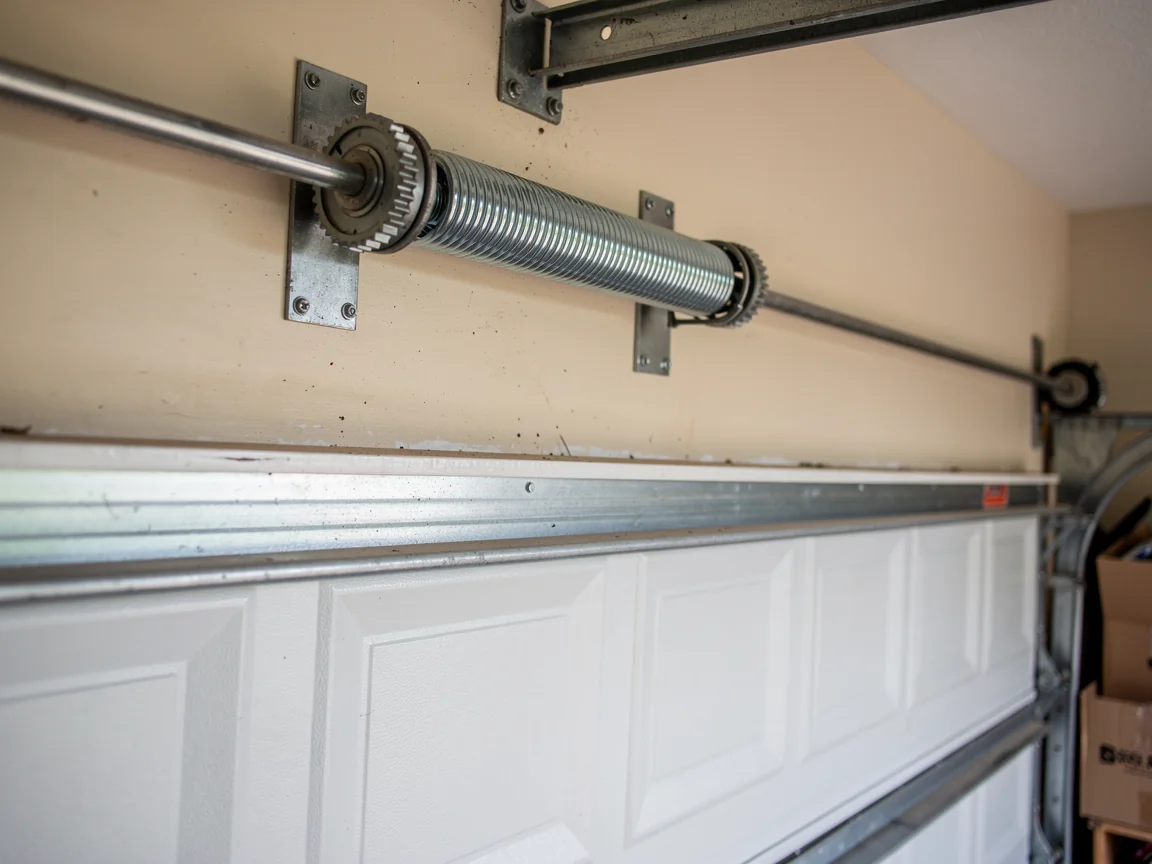
Lubricating rollers and hinges, vacuuming the track, and tightening visible bolts are fine to do yourself on a door from this era. What isn't fine is touching the torsion spring. A door built around 1980 almost always runs a single torsion spring under several hundred pounds of wind-up tension, and that spring doesn't know the difference between a professional and a homeowner with a wrench. If the spring looks original, meaning it's never been replaced, assume it's past its service life and leave it alone. Also skip adjusting the opener's force settings past the manufacturer limits to compensate for a door that's gotten heavy or sticky - that's usually a sign the door needs real service, not a software workaround. If your door reverses on its own, slams the last six inches, or the opener strains audibly, that's past the DIY line.
The Symptom
The call we get most from this part of the service area is a door that's gotten loud and slow, sometimes with a visible sag on one side when it's about halfway open. That combination points to original hardware wearing out together - rollers that have flat-spotted from decades of use, a spring that's lost tension unevenly, and a track that's shifted slightly out of plumb as the house has settled. None of that is dramatic on its own, which is exactly why it gets ignored until the door won't open at all. Houses built around 1980 in this area are old enough now that original rollers, springs, and cables are reaching or past their expected life together, not one at a time, so when one part finally fails, the others are usually close behind it.
What the Fix Involves
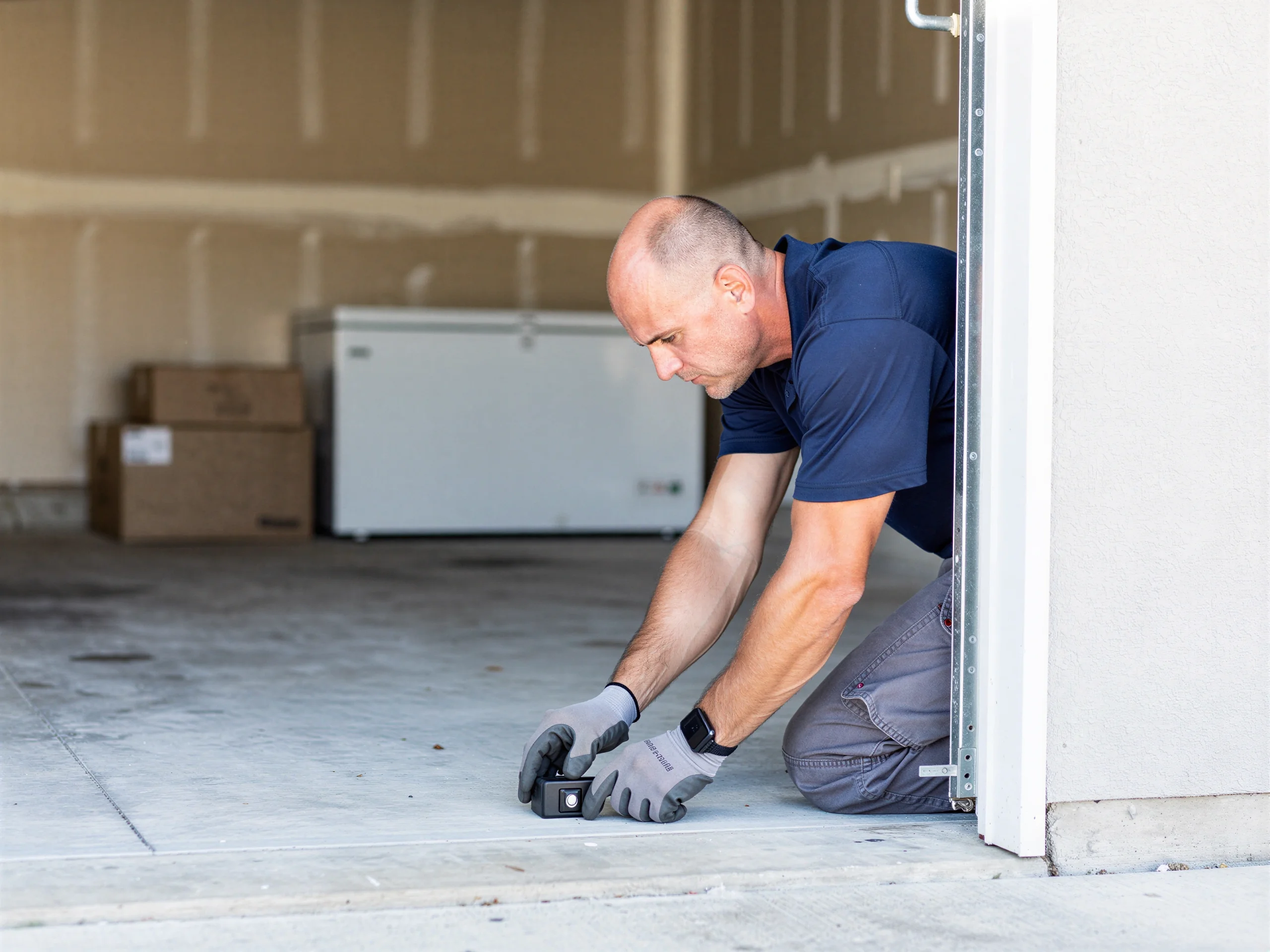
A standard maintenance visit on a door from this era starts with checking spring tension and balance - lifting the door halfway by hand with the opener disengaged and seeing if it holds.
Spring drift diagnosis
If it drops or shoots up, the spring is off and gets adjusted or replaced. We check the cables for fraying at the drum, the rollers for flat spots or cracked nylon, and the track for alignment, since a door that's run slightly crooked for years will have worn one side's hardware faster than the other.
Lubrication and bottom seal
We lubricate the moving metal parts, not the nylon rollers, and we check the bottom seal, which on a steel sectional door this age is often the original rubber and brittle enough to let in drafts.
Seal matters in cold
Given this is a COLD, severe-winter climate zone, a cracked seal matters more here than it would somewhere milder - it's the difference between a garage that holds some heat and one that doesn't.
What Can Go Wrong
The most common surprise on a 1980-era door is finding the spring and the opener are both near the end of their life at the same time, since they were often installed or last replaced together. Replacing just the spring and leaving a straining opener means a second call a few months later. We'll tell you if that's what we're seeing rather than just fixing the one thing you called about. The other issue specific to original hardware this age is that some parts, like certain drum sizes or older torsion shaft diameters, aren't stocked on the truck and need to be ordered, which can push a same-visit fix to a second trip. We'd rather tell you that up front than promise a one-visit job we can't deliver.
How Long You Are Without the Door
A straightforward maintenance visit - lubrication, balance check, roller and cable inspection - takes under an hour and the door is usable the whole time except for a few minutes of testing. A spring replacement on a standard single-torsion setup, which is what most 1980-built houses here have, usually finishes the same visit. The door is out of service for that visit, not longer, unless a part specific to the original hardware has to be ordered. Since the crew is coming from Silver Spring, about 19 miles out, scheduling matters more than drive time once they're on site - the work itself doesn't take longer because of the distance, but getting on the calendar might take a day or two depending on the week.
Questions
Common questions
How old is the garage door hardware in most Fort Washington houses?
Houses in this part of the service area were mostly built around 1980, so original torsion springs, steel sectional panels, and rollers are now over four decades old if they've never been replaced. That's well past the normal service life for a spring and near the end of it for rollers and cables.
Do you have a crew based in Fort Washington?
No. We're based in Silver Spring and drive out, about 19 miles, to cover this part of the service area. There's no local branch here, just the truck coming from Silver Spring for the appointment.
Should I replace the whole door or just service it?
If the panels, track, and opener are sound and it's really just the spring or rollers that have worn out, servicing is the right call. We only recommend replacement when the door itself - the panels or the track - has damage that maintenance can't fix.
Why does my door seal matter in winter?
This area sits in a cold, severe-winter climate zone, and a bottom seal that's cracked or brittle, which is common on doors with original 1980s rubber, lets cold air into the garage all winter. Replacing the seal is a small part of a maintenance visit but it's the one that affects comfort the most.
Explore more
More Services in Fort Washington
Garage Door Repair
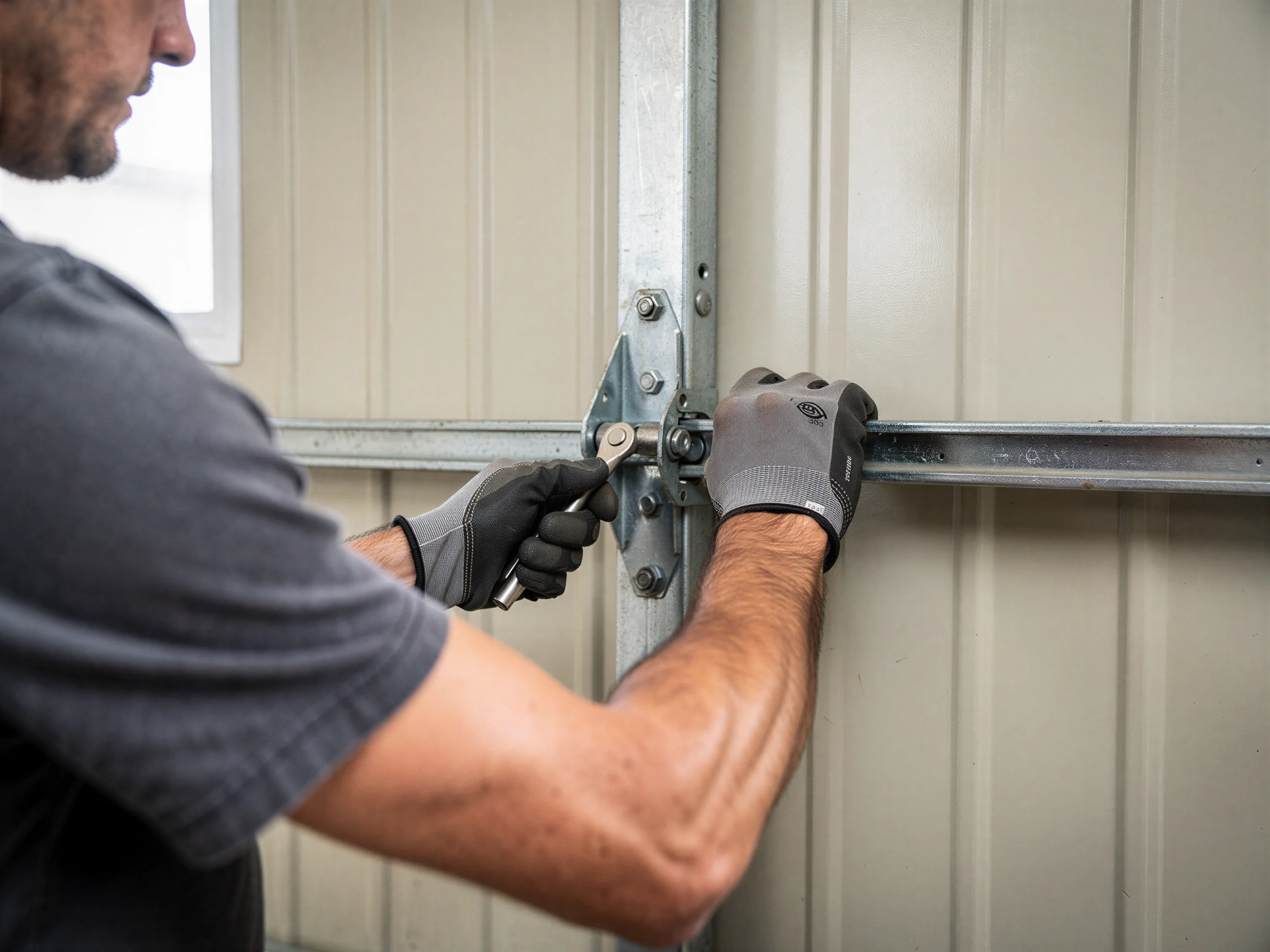
Fort Washington homes built around 1980 run original steel doors with aging extension springs. Learn more →
Garage Door Service
Most Fort Washington garage doors date to around 1980, a decade newer than homes closer to Silver Spring. Learn more →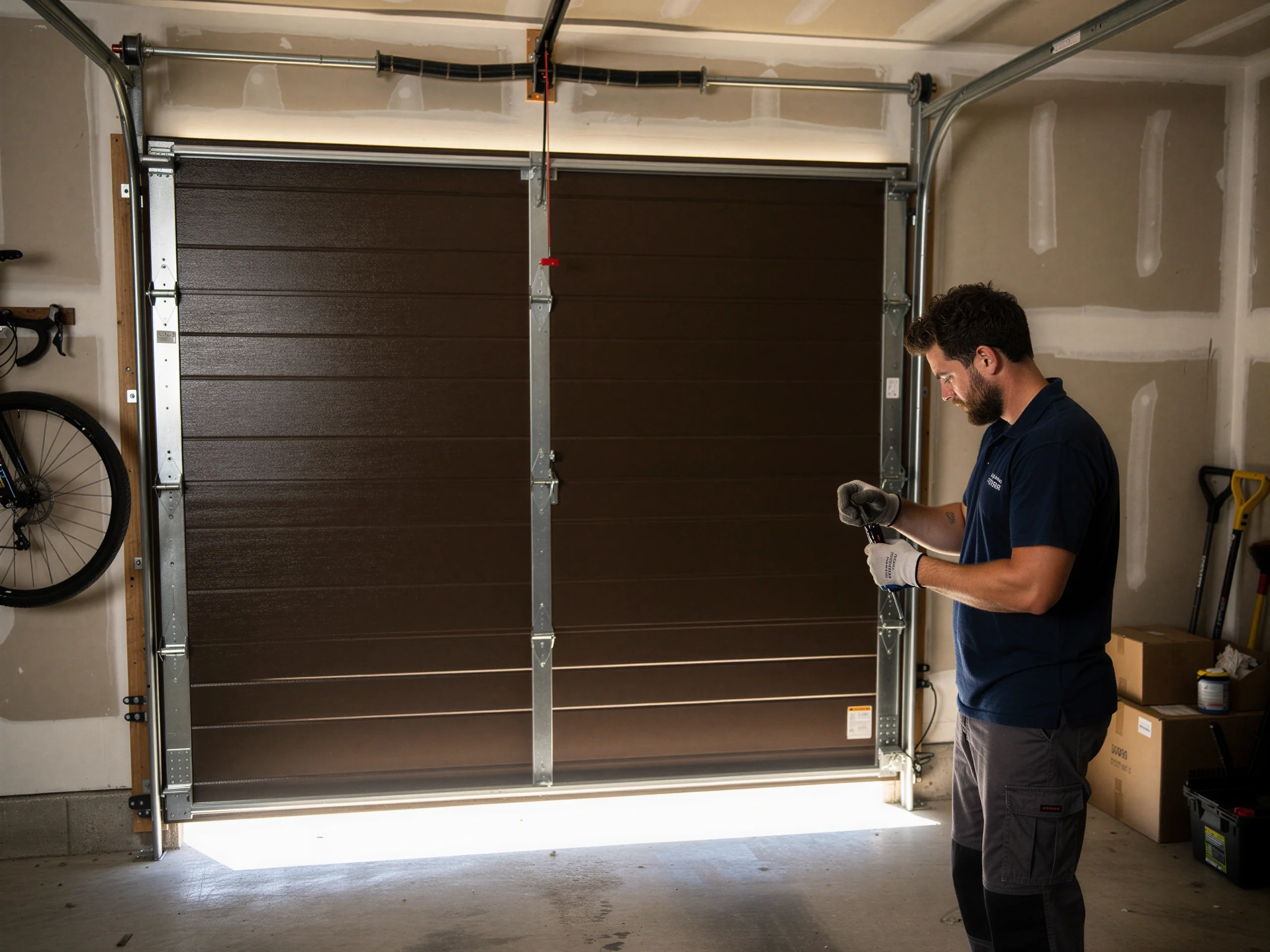
New Door Installation
New garage door installation for Fort Washington, MD homes built mostly around 1980 - what a door from that era needs, what it costs to replace, and what the job from Silver Spring looks like. Learn more →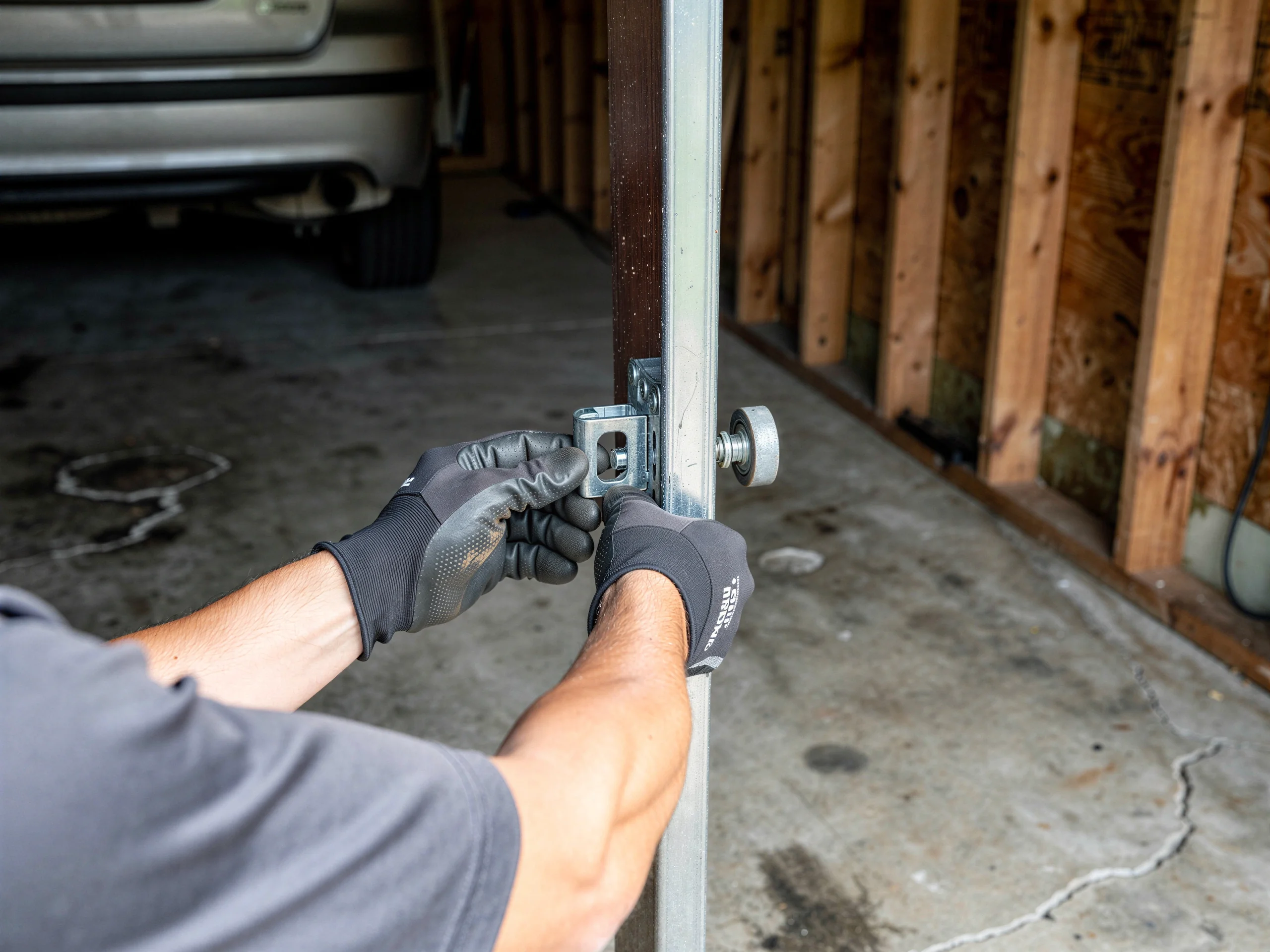
Off Track Repair
Off-track garage door repair for Fort Washington, MD, where most homes date to about 1980. Learn more →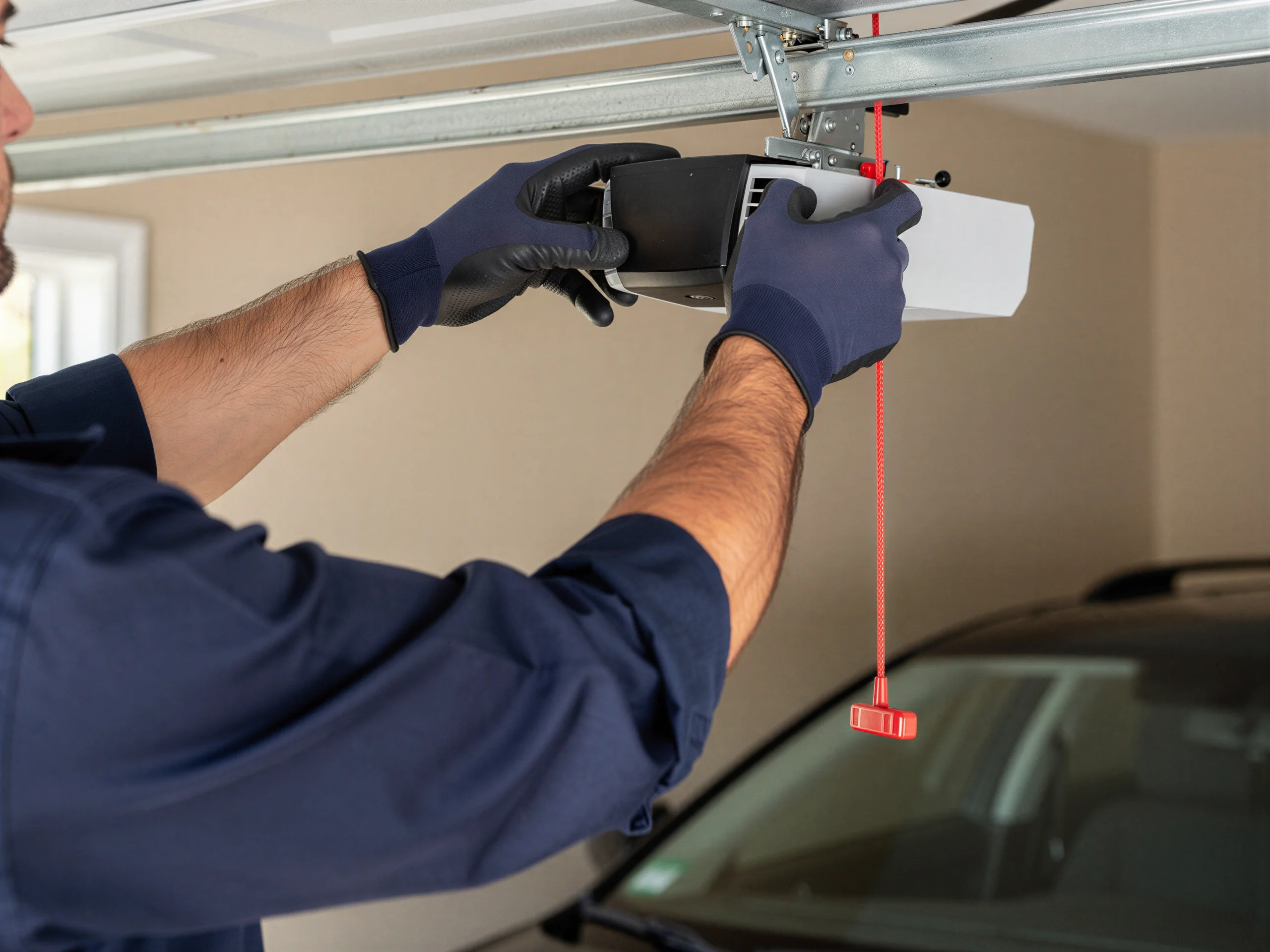
Opener Repair
Opener repair for Fort Washington, MD homes built around 1980, served from Silver Spring 19 miles away. Learn more →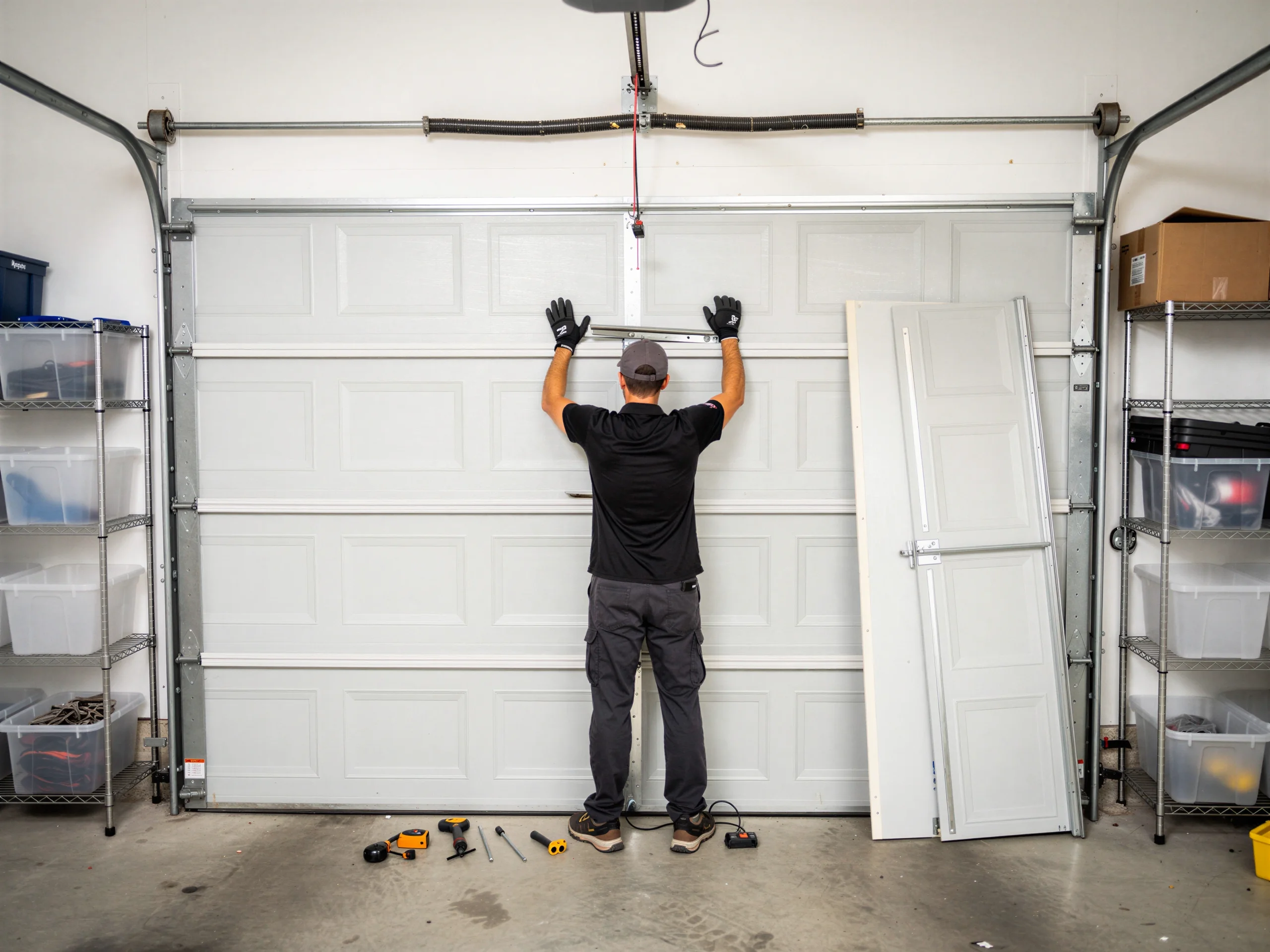
Panel Replacement
Fort Washington homes run newer than most of the Silver Spring service area, which changes the panel math. Learn more →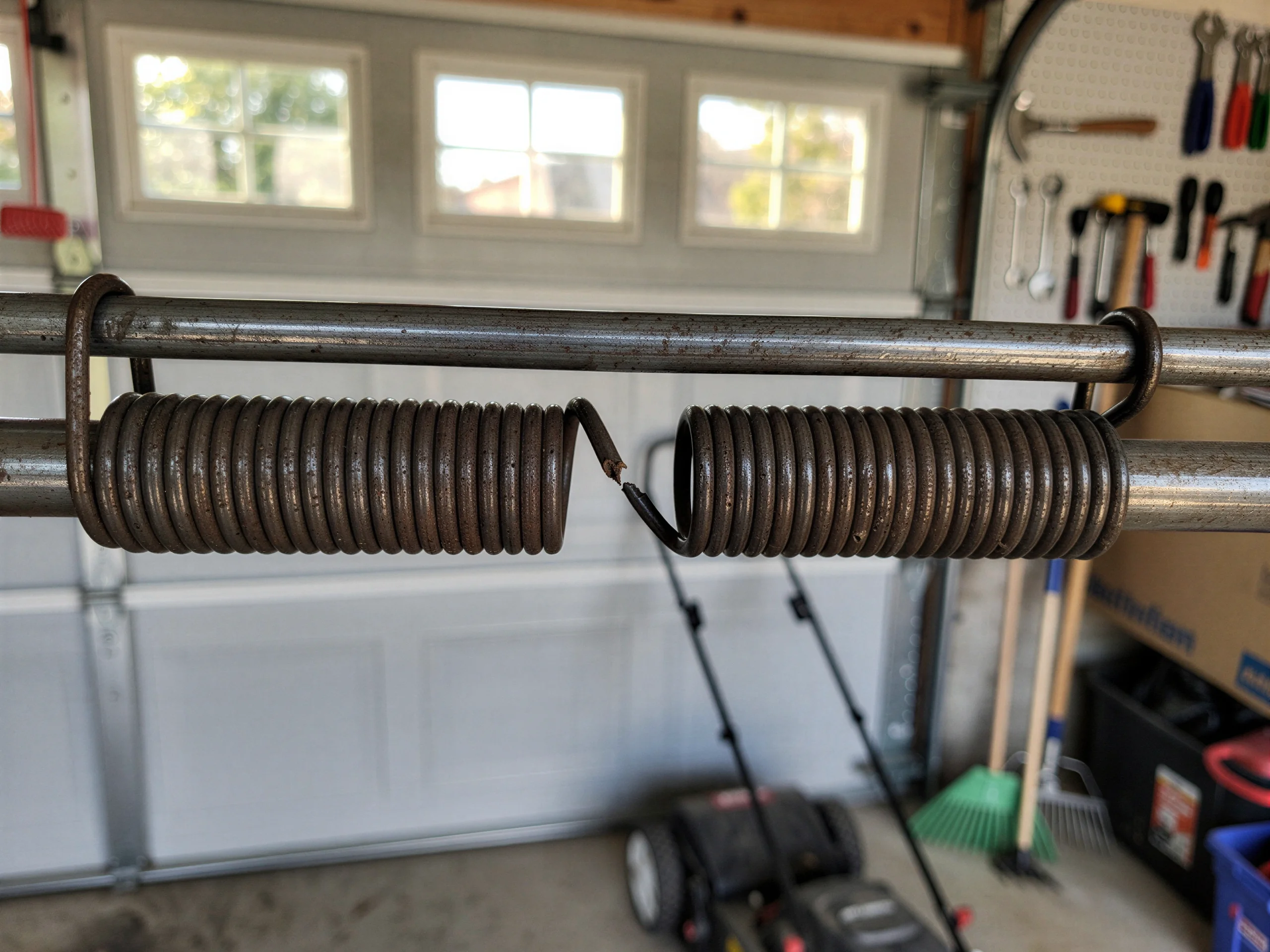
Spring Repair
Fort Washington homes run newer than most of the Silver Spring service area, which changes what fails on a torsion spring. Learn more →Ready when you are
Time for a garage door tune-up in Fort Washington?
Silver Spring Garage Door Pros repairs and installs garage doors, springs and openers in Silver Spring, MD and the surrounding area.