
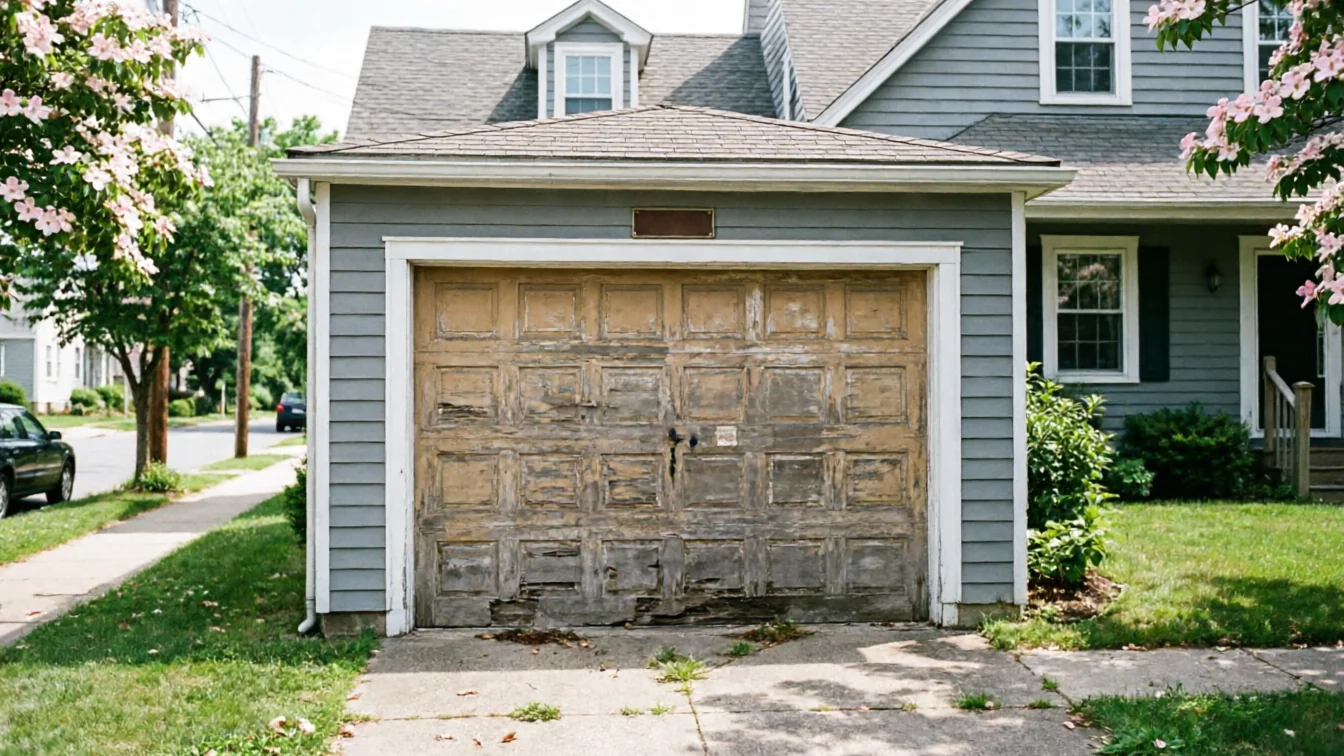
Is Your Silver Spring Garage Door Worth Fixing, or Done
Silver Spring homes mostly date 1948-2014, median 1976.
Read moreSilver Spring homes mostly date to the 1960s-70s, and cold-climate freeze-thaw cycles wear original hardware fast. Here's what each noise means and when to call.
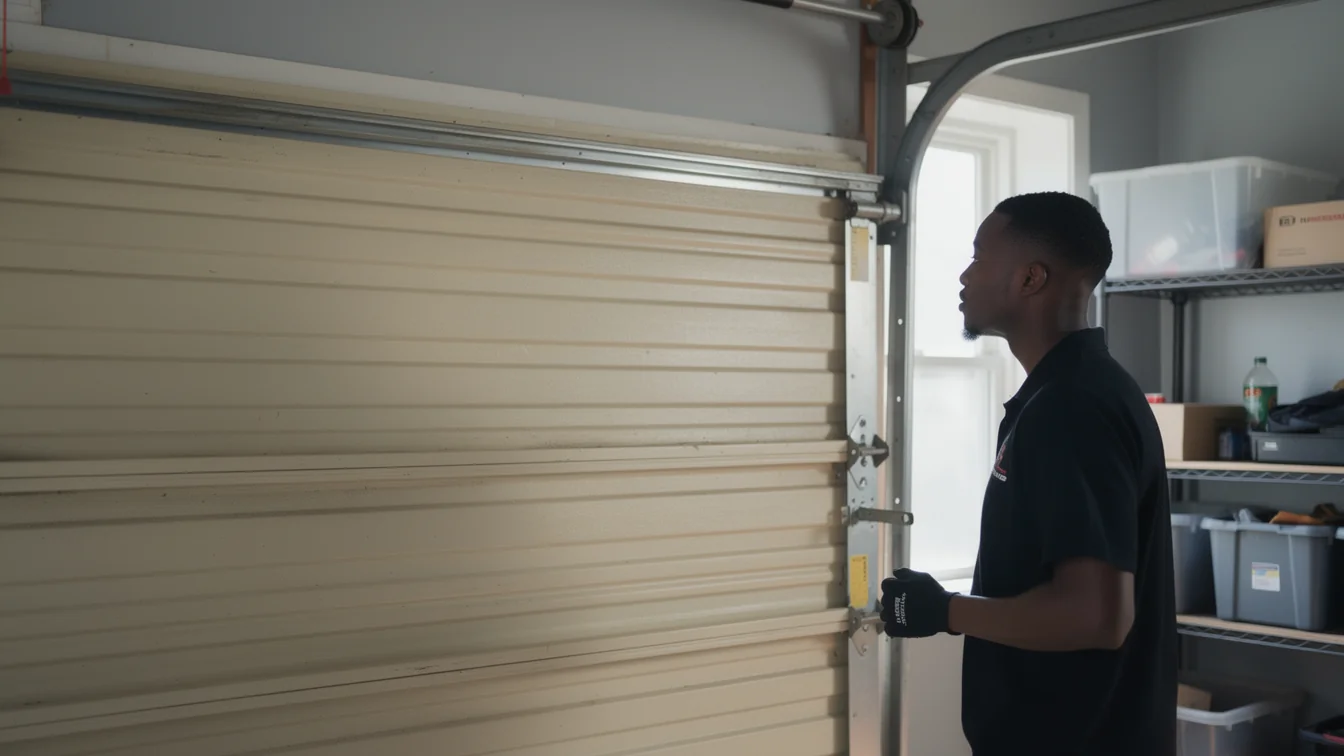
Local detail
Silver Spring sits in a severe cold climate band, which means your garage door hardware goes through real freeze-thaw cycles every winter, not just a few cold mornings. Steel tracks contract when temperatures drop, which changes the gap between roller and track by a hair most people never notice - until the roller starts riding the edge instead of the groove. That's the grinding sound you hear on the coldest mornings.
Lubricant also thickens in cold weather, so springs and hinges that moved quietly in August start to squeak or groan in January. If your house is anything like the bulk of homes in this area - built between 1948 and 2014, with the median closer to 1976 - the hardware under that door has been through forty-plus winters of this cycle. Steel fatigues. Springs lose tension unevenly. None of that happens overnight, and none of it happens the same way in a place with mild winters. Here, the cold is doing slow, constant work on every moving part, and the noise is usually the first sign you get before something actually fails.
The area
Start with the easy stuff before you assume the worst. Open and close the door by hand with the opener disconnected (pull the red emergency release) and feel for resistance or binding - a door that's hard to move by hand has a spring problem, not an opener problem, no matter what noise it's making.
Next, look at the track brackets where they bolt to the frame. In homes from the 1960s-70s stock that makes up most of this area, these brackets were often installed with lighter fasteners than you'd use today, and decades of seasonal contraction can work them loose. A loose bracket makes a distinct rattle or bang right as the door starts moving.
Check the springs themselves for visible gaps in the coil - an even gap along the whole spring is normal, but a gap on one side only means it's stretched or about to go. Listen for a popping sound on the way up, which usually means a cable is riding rough on a worn drum. We don't recommend touching torsion springs yourself; they're under enough tension to cause real injury, and that's one job worth the service call.
What we find
Most of the noise complaints we hear trace back to the same root cause: original hardware that was never built to handle forty or fifty winters of cold-weather cycling. A door installed when a Silver Spring-area house was built in the 1960s or 70s was matched to springs and rollers sized for that era's steel and that era's tolerances. Nobody designed those parts to last through 2024.
When the cold tightens tolerances every winter and loosens them every spring, metal fatigues at the stress points first - usually the spring coils near the winding cone, or the roller stems where they meet the hinge. That's why the grinding or popping sound often shows up seasonally before the part actually fails. The sound is the fatigue announcing itself.
Here's the honest limitation: we can't always tell you over the phone whether a noise is a five-minute lubrication fix or a spring replacement. Steel doesn't give you a clean signal until it's close to the end, and some hardware from this housing stock is old enough that exact replacement parts aren't stocked anymore - we end up matching close equivalents rather than the original spec.
How we work
Fall is lubrication season. Before the first real cold snap hits this area, a quick application to rollers, hinges, and the spring coils keeps the metal-on-metal contact down through the hard months ahead.
Winter is when the symptoms show up loudest. Cold steel contracts, so this is when you'll hear grinding on worn rollers, popping from a rough cable, or a new rattle from a bracket that was already a little loose. If a noise appears only below a certain temperature, that's cold contraction exposing a wear point that was marginal all along.
Spring is when things that failed quietly in winter finally let go, because the hardware is cycling back through its full range as temperatures climb. This is historically our busiest season for spring replacement calls across this part of the area.
Summer is the forgiving season - it's the best window to deal with anything you noticed in winter but didn't get around to, before the next cold cycle starts the fatigue process over again.
Questions
Steel tracks and springs contract in cold temperatures, which tightens tolerances that were set for warmer weather. A roller riding slightly off-center or a cable with a little slack becomes noisy once the metal shrinks around it. If the noise disappears once it warms up, it's a sign the part is marginal, not yet failed.
No. Grinding more often points to a roller or track issue, while springs tend to pop, creak, or make the door hard to lift by hand. Given the age of hardware common in this area's 1960s-70s housing stock, we check both, since one worn part often accelerates wear on the other.
There's no fixed number, but hardware installed when your house was built - commonly sometime in the 1948-2014 range for this area, median around 1976 - has usually seen forty-plus winter cycles if it hasn't been replaced. That much cold-weather cycling fatigues steel even without visible damage.
Sometimes, if the noise is fresh and the part hasn't actually worn down yet. Lubrication won't fix a bent track, a stretched spring, or a loose bracket - it just quiets things down temporarily while the underlying wear keeps progressing.
Recommendation
More garage door guides for Silver Spring homeowners.
Silver Spring homes mostly date 1948-2014, median 1976.
Read more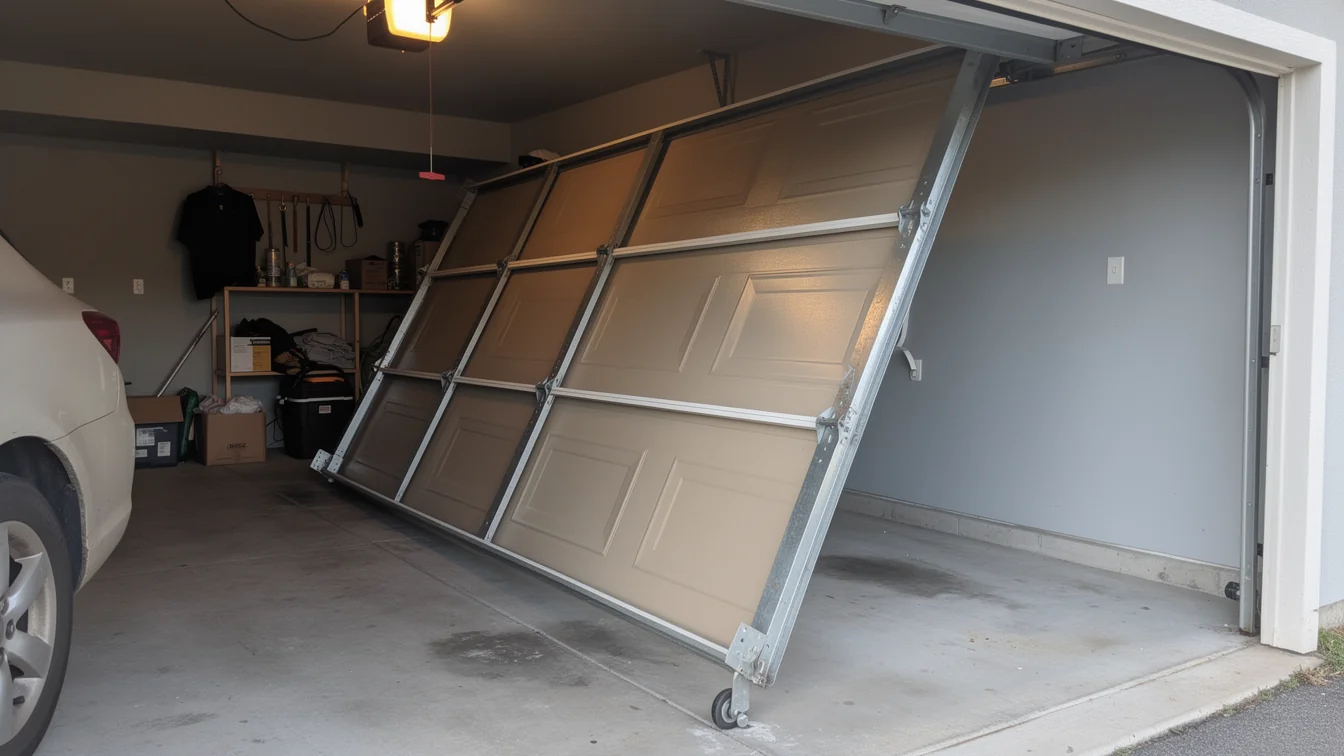
Silver Spring homes built mostly in the 1960s-70s face cold-climate track wear.
Read more
Silver Spring homes built 1948-2014 face cold winters and aging torsion hardware.
Read moreReady when you are
Silver Spring Garage Door Pros repairs and installs garage doors, springs and openers in Silver Spring, MD and the surrounding area.