
What a New Garage Door Needs to Handle in Silver Spring
Silver Spring homes built 1948-2014 face cold winters and aging torsion hardware.
Read moreSilver Spring homes built from 1948 to 2014 mix detached and attached garages, and this area's cold winters treat each differently. Here's what to check.
Local detail
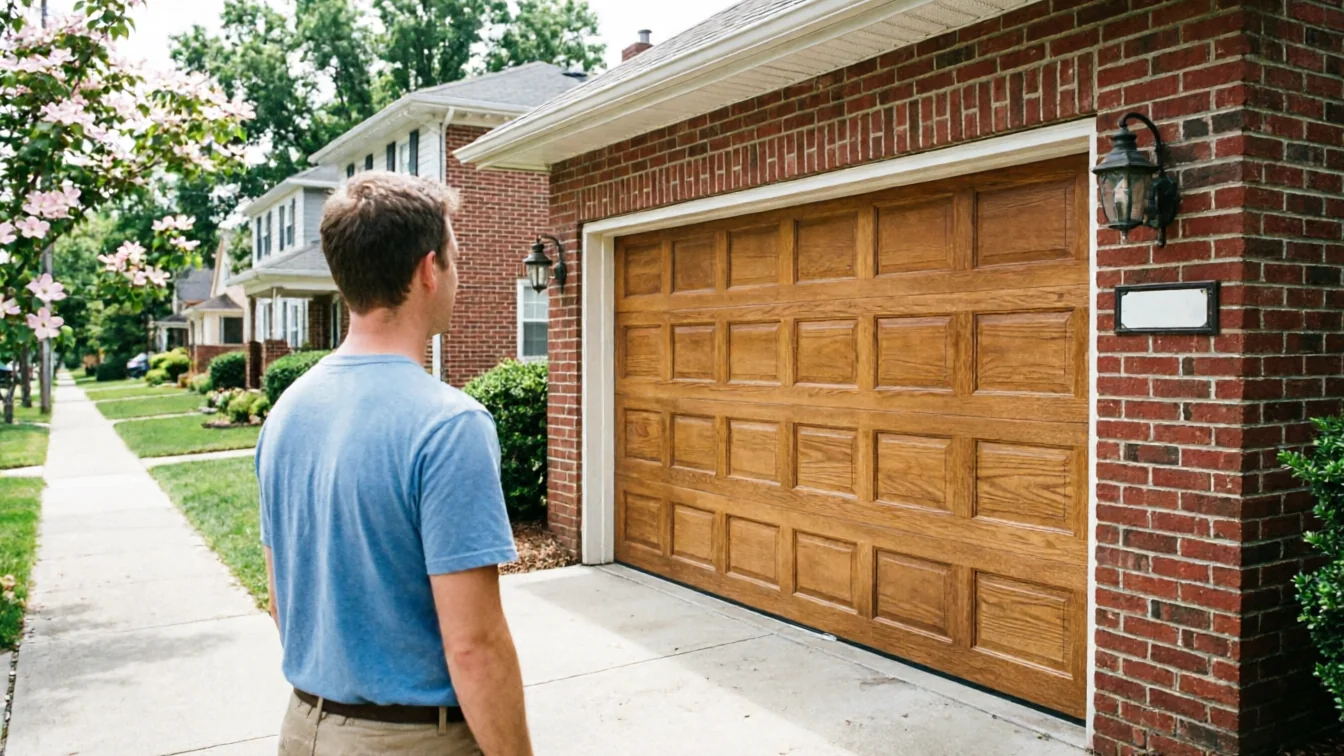
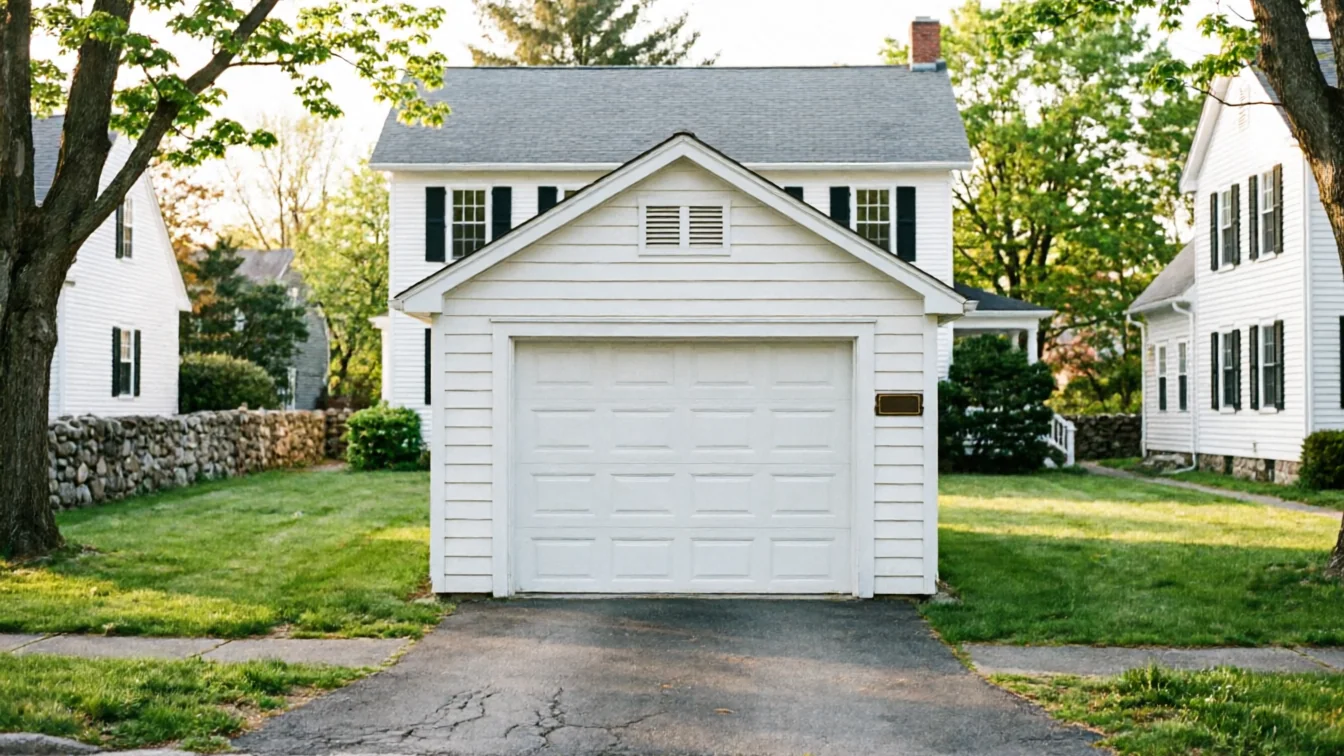
An attached garage in Silver Spring sits against a heated house, so it never gets as cold as the air outside. That shared wall bleeds a little warmth into the garage all winter, which keeps the torsion spring and the hinges from fully cold-soaking even on the worst nights. A detached garage has no such luck. It sits out past the driveway with cold air on all four sides, and in a climate band this severe, the steel in the door, the springs, and the track all sit at whatever the outdoor temperature is. Cold steel gets brittle and cold lubricant gets thick, so a detached garage door in January moves slower, groans more, and puts more strain on the opener motor than the same door would if it were attached. We see this split constantly across Silver Spring's older streets, where detached garages were often built separate from the house and never got the insulation upgrades the house itself received over the decades. The door itself doesn't know it's detached - but the spring tension, the opener's cold-start load, and the weatherstripping all behave differently out there than they do twenty feet closer to the furnace.
The area
On an attached garage, start where the door meets the house wall - that seam is the weak point for warm air escaping and cold air creeping in around the frame. Check the bottom seal and the stop molding on the jamb; if light shows through on a cold morning, the seal has shrunk or cracked. On a detached garage, check all four sides the same way, since there's no adjacent house wall to buffer one of them. Pay attention to the track brackets too - on a detached structure the whole frame moves more with freeze-thaw cycles than it does on a garage tied into a foundation shared with the house. Spring tension is worth a visual check either way: if the door feels heavier to lift by hand in winter than it did in summer, the spring is reacting to cold, and that's more pronounced on a detached unit with no ambient heat at all. We don't recommend homeowners adjust torsion spring tension themselves - that's a call for us, not a weekend project.
What we find
Housing in this part of Silver Spring runs from 1948 up through 2014, with most of it dating to the 1960s and 70s. That matters here because detached garages from that era were usually built as simple unheated outbuildings - a slab, studs, and a door - with none of the thermal breaks you'd see in a garage built onto a house today. Attached garages from the same decades often got added or converted later, sometimes with the shared wall only partly insulated. Either way, the original garage door hardware on a house this age was sized for a mild assumption about temperature swings, not for a cold-severe band with real winter lows. Springs rated decades ago for average loads now work harder every winter than they were built to. We can't rewind a 1968 detached garage into a fully insulated one - that's a bigger job than a door swap - but we can match the door and spring to how that specific structure actually behaves in the cold, instead of just replacing like for like.
How we work
Winter is where the detached-versus-attached gap shows up most: cold-soaked springs on detached units lose lift, and ice at the bottom seal on either type can freeze the door to the slab overnight. Spring brings freeze-thaw movement in the slab and frame, which can throw an older detached garage's track out of alignment even if nothing looks obviously wrong. Summer is the easy season for both types - humidity swells wood panels on older doors, attached or detached, but the real stress is off. Fall is when we tell people to actually look at the door, not wait for it to fail: check the weatherstripping, listen for new noise in the track, and get ahead of the cold before the first hard freeze finds the weak spring or the worn seal for you.
Questions
Not a different type, but often different tension. A detached garage in our cold-severe climate band cold-soaks fully in winter with no help from the house, so the steel and lubricant behave differently than in an attached garage sharing a heated wall. We size springs to how the structure actually sits, not just the door weight.
It's possible. A lot of Silver Spring housing dates to the 1960s and 70s, and detached garages from that era often still carry their original hardware. Original springs and track brackets built for average loads decades ago work harder every winter now, which is worth a look before one fails in the cold.
No - insulating the structure itself is a bigger job than a door or opener swap, and it's not something we take on. We can match the door and spring setup to how cold that specific detached garage runs, but the walls and slab are a separate project.
Recommendation
More garage door guides for Silver Spring homeowners.
Silver Spring homes built 1948-2014 face cold winters and aging torsion hardware.
Read more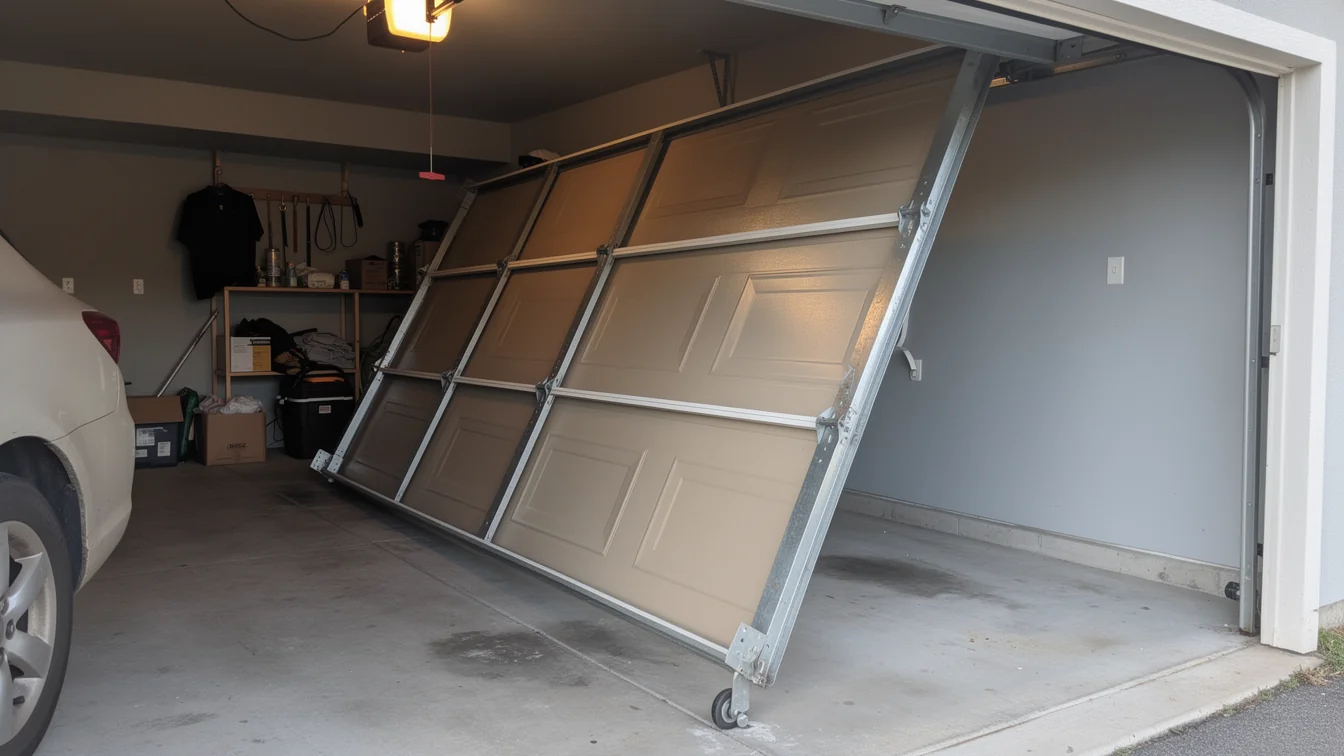
Silver Spring homes built mostly in the 1960s-70s face cold-climate track wear.
Read more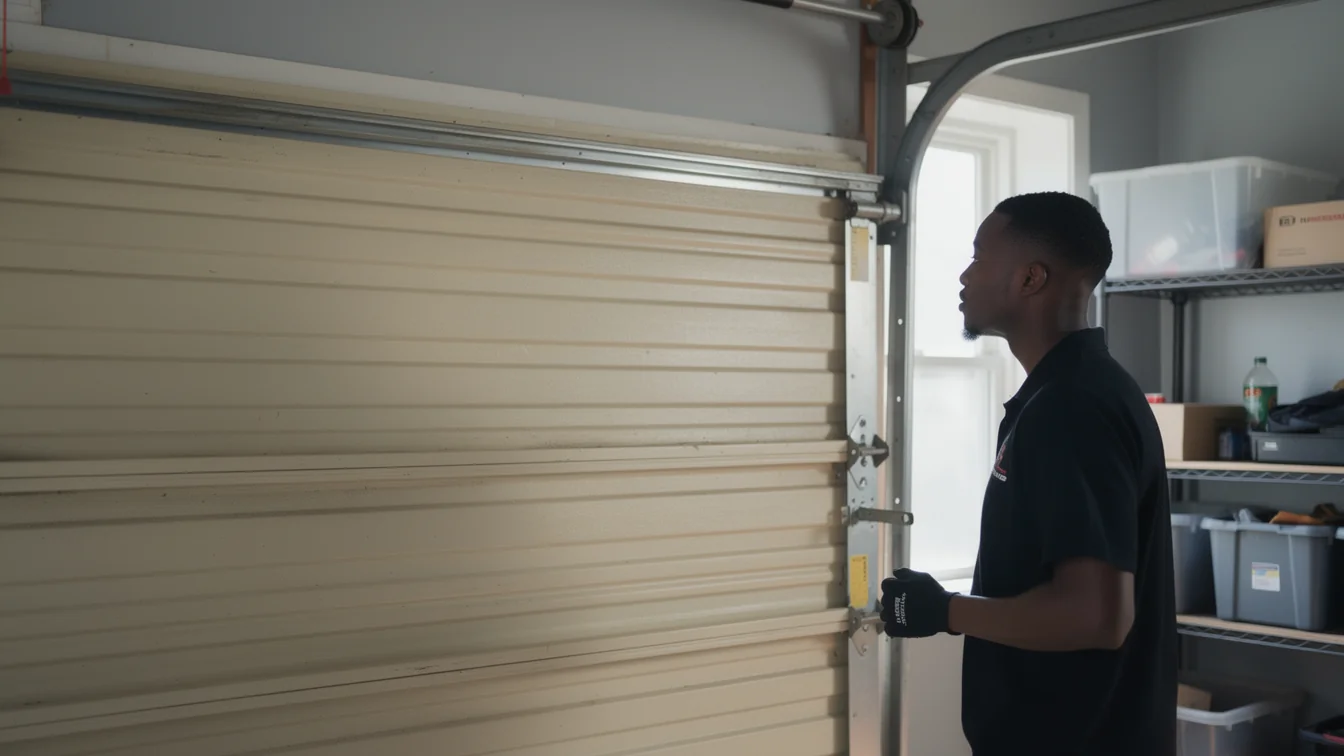
Silver Spring homes mostly date to the 1960s-70s, and cold-climate freeze-thaw cycles wear original hardware fast.
Read moreReady when you are
Silver Spring Garage Door Pros repairs and installs garage doors, springs and openers in Silver Spring, MD and the surrounding area.