
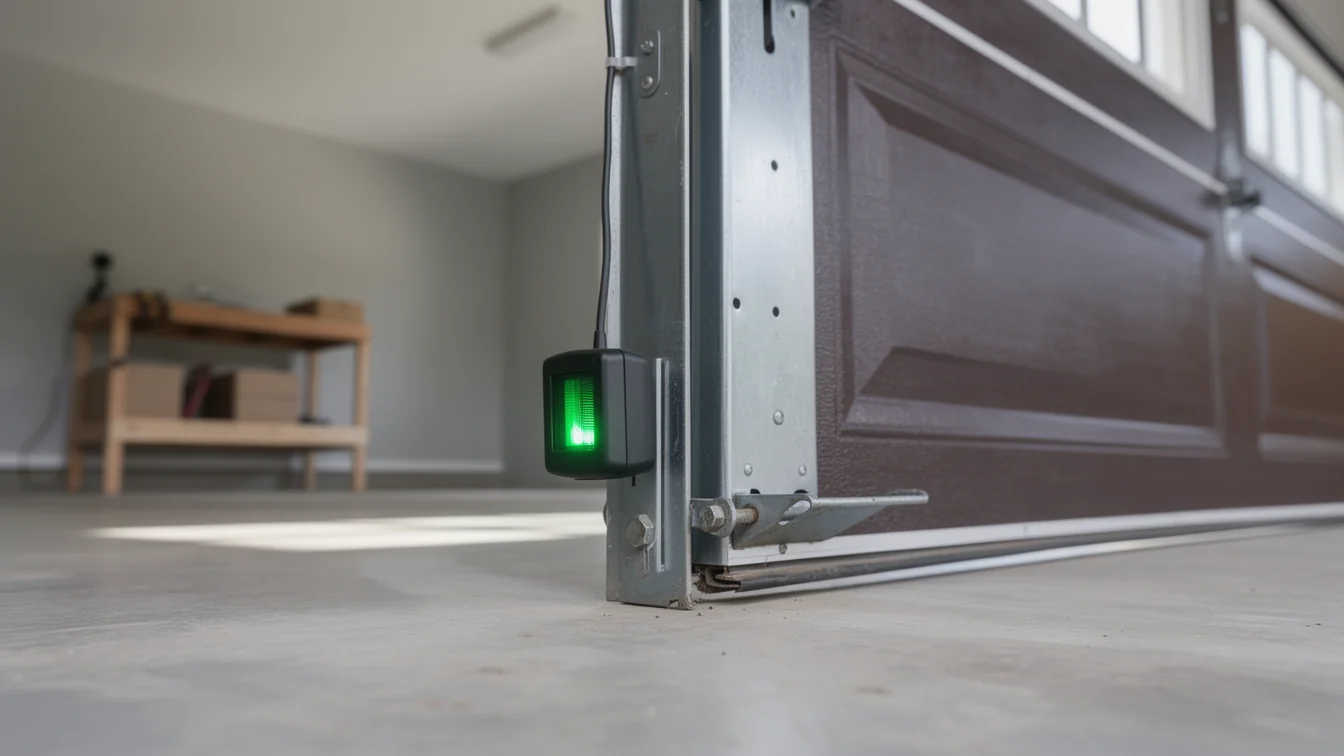
Why Your Safety Sensors Keep Drifting Out of Alignment
Why garage door safety sensors go out of alignment in Silver Spring homes, tied to the area's 1960s-70s housing stock and severe cold-climate ground movement.
Read moreHow Silver Spring's cold winters and older 1960s-70s housing stock combine to leave garage door openers dead when the power goes out, and what to do about it.
Local detail
Silver Spring sits in a climate band rated cold and severe, and the thing that actually breaks openers isn't the cold itself, it's what the cold does to the power grid. Ice coats the lines, a branch comes down, and the circuit that runs your opener goes dead right when you need the door most. If your opener was installed without battery backup, that's the moment you find out. Most of the housing in this service area went up between 1948 and 2014, with the bulk concentrated in the 1960s and 70s, so a lot of openers out there predate battery backup being a standard feature. When the power drops during a storm, those units just stop. No light, no motor, no remote. The door sits wherever it was last positioned, and if that's halfway up or fully down with a car underneath, you're dealing with the manual release cord and brute force until the lights come back on. This isn't a once-a-decade event here. Ice storms are the climate's reliable trick, and they hit the grid before they hit anything else.
The area
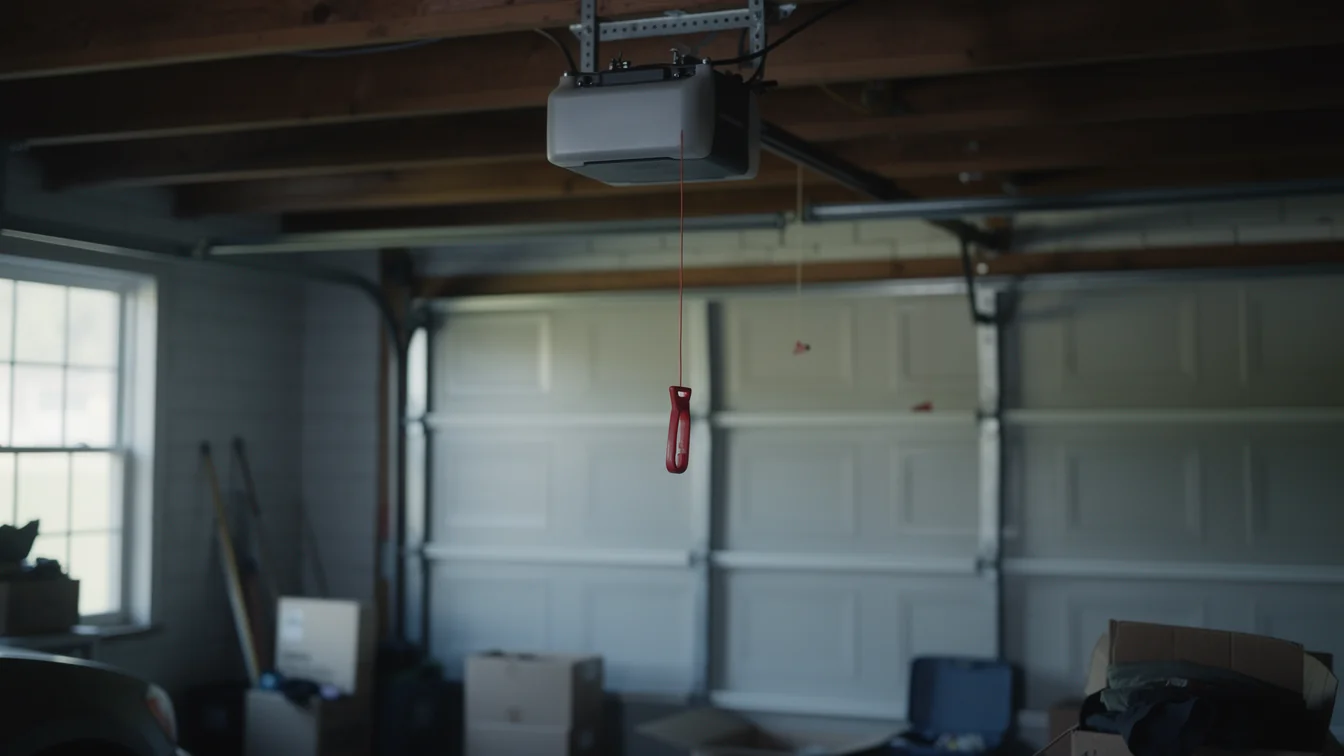
Start with the manual release cord, the red one hanging from the trolley. On a lot of the older openers common in this area's 1960s and 70s housing stock, that cord has never been pulled since the day it was installed, and it can be stiff, seized, or hidden behind stored junk. Pull it once a year so you know it works before a power cut forces the issue. Next, check whether your unit has a battery backup box, usually a small case mounted near the motor head. If you don't see one, you don't have one, and that's worth knowing before winter, not during it. Check the wall console too. Some older consoles don't show a battery status light at all, which means you'd have no warning the backup is failing until the main power actually drops. Last, look at the opener's age against your home's build year if you know it. A unit installed when the house was built in the 1960s or 70s has had a long run, and age plus no battery backup is a combination worth addressing before the next ice event rather than after.
What we find
Here's the actual failure mode. A storm knocks out power, your opener has no battery backup because it's original to a house built decades ago, and now the door is stuck in whatever position it happened to be in. If it's down, you can get a car out using the manual release, but then the door won't close again until power returns, and an open garage in a cold snap is its own headache. If it's up, same story in reverse. Across the 165,138 owner-occupied houses in this service area, a meaningful share are running openers that were never built with this scenario in mind, because battery backup wasn't standard equipment when most of this stock went in. The fix isn't complicated: a battery backup unit, sold separately or built into newer openers, keeps the door operable through a short outage. We don't do whole-house generator work or electrical panel upgrades, that's outside what we handle. What we do is openers, and an opener with a dead battery backup or no backup at all is the single most common no-power call we get once the weather turns.
How we work
Winter is the season that matters most here, full stop. The cold-severe climate rating means ice storms are a recurring event, not a freak one, and ice on the lines is what causes the power cuts that strip an opener of its only job. That's when a battery backup unit earns its cost, and it's when a seized manual release cord becomes an emergency instead of an annoyance. We don't have good data on how often summer storms knock out power in this specific area, so we won't pretend to know that pattern. What we can say with confidence, from the climate band this area sits in, is that winter is when you want the backup tested and the release cord working. At a median household income of $117,493 across the service area, adding battery backup to an opener that doesn't have one is a reasonable upgrade for most owners here, not a luxury item. Do it before the first hard freeze, not during it.
Questions
If your opener is original to a house built in the 1960s or 70s, which covers a lot of this area's stock, it almost certainly doesn't have one. Given how often ice storms here knock out power, adding a battery backup unit means you can still open and close the door during an outage instead of waiting it out.
Find the manual release cord hanging from the trolley on the track and pull it down. This disconnects the opener so you can lift the door by hand. If the cord is stiff or you can't find it, that's a sign it hasn't been tested in years, which is common on older units.
We don't put a hard number on it, but if your opener predates battery backup as a feature, which is common in homes built before the 2000s in this area, age alone is a reason to have it looked at, especially heading into winter.
Recommendation
More garage door guides for Silver Spring homeowners.
Why garage door safety sensors go out of alignment in Silver Spring homes, tied to the area's 1960s-70s housing stock and severe cold-climate ground movement.
Read more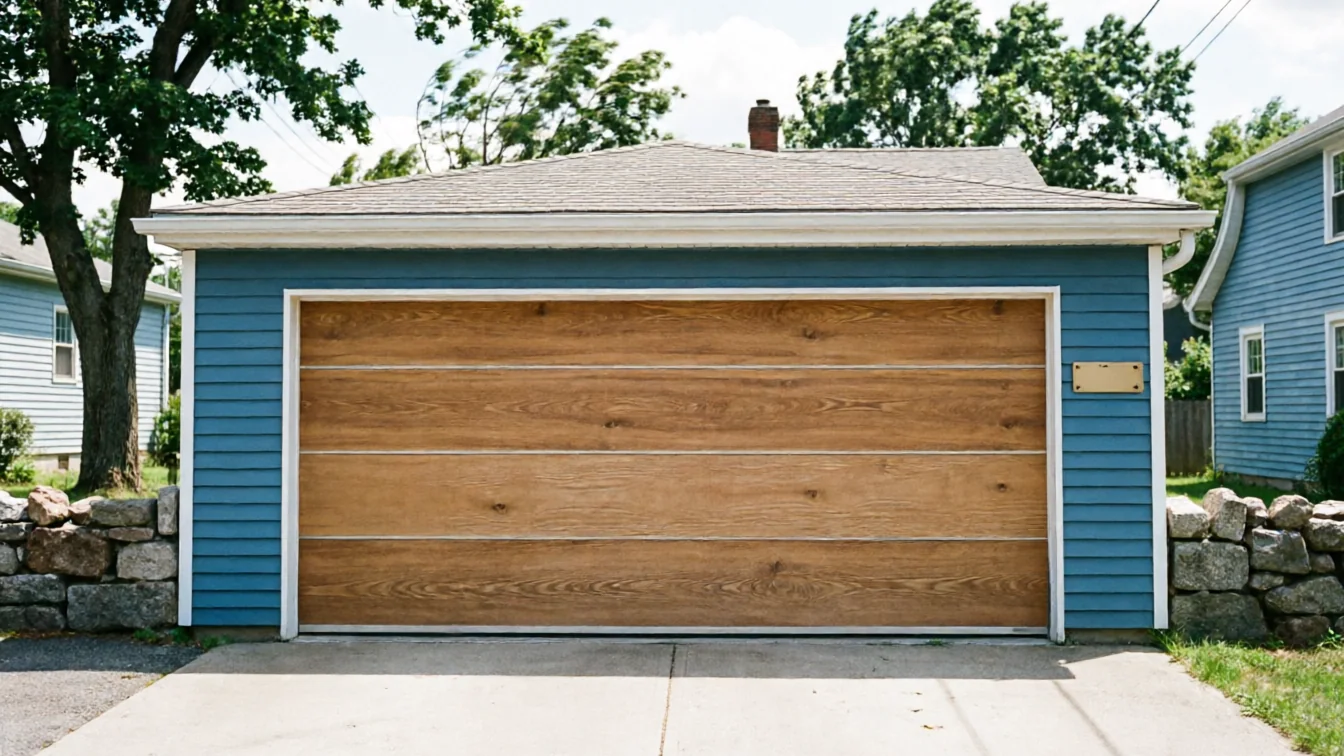
Silver Spring's 1948-2014 housing stock carries a lot of double-wide garage doors on older hardware - here's how cold-climate wind pressure works against them over time.
Read more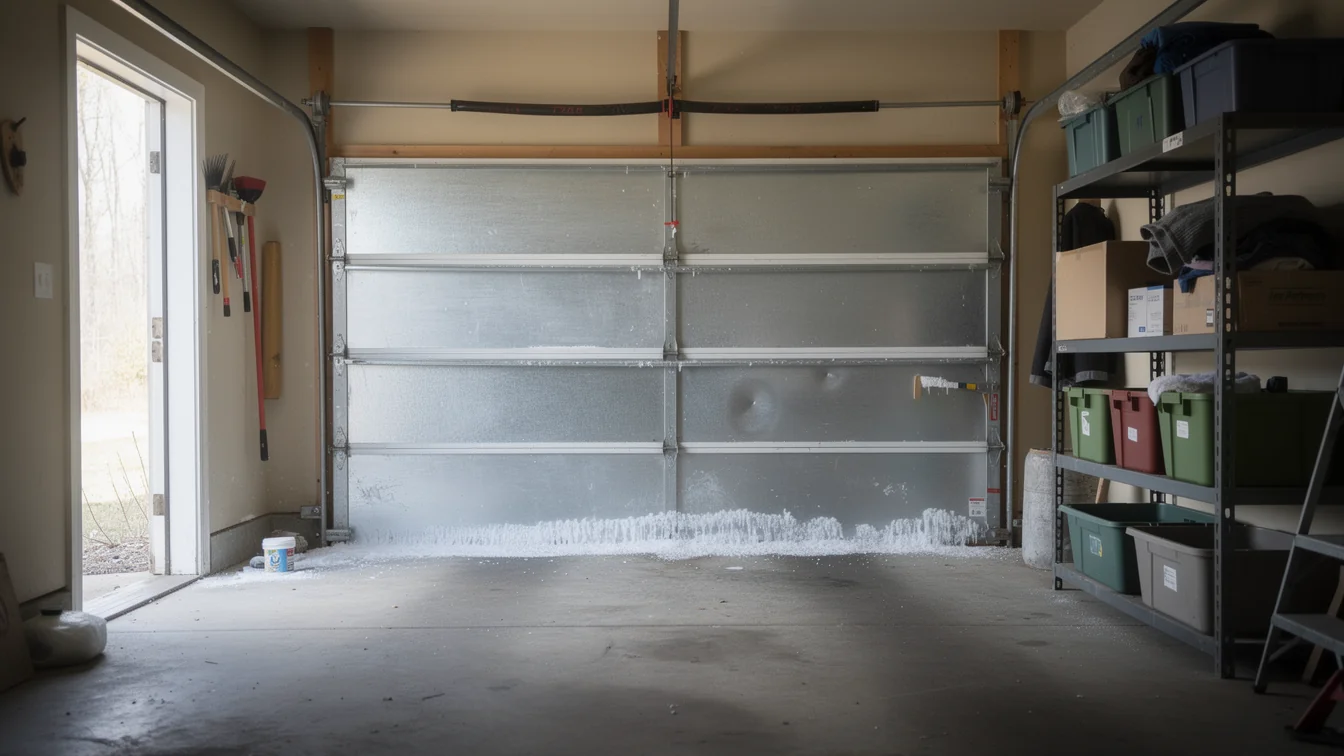
Silver Spring's garage doors mostly date to the 1960s and 70s, built before current insulation rules, and our severe cold winters find every gap and worn spring in them.
Read moreReady when you are
Silver Spring Garage Door Pros repairs and installs garage doors, springs and openers in Silver Spring, MD and the surrounding area.