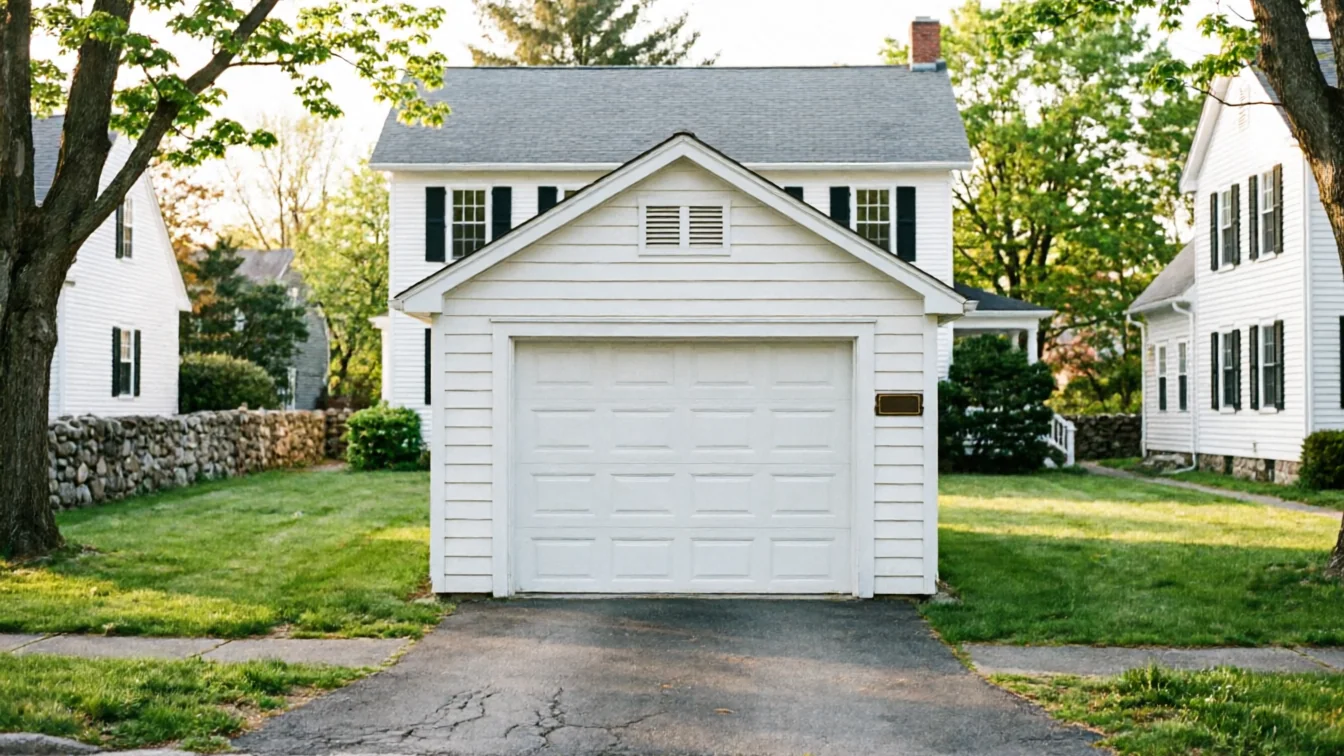
Detached and Attached Garages Handle Silver Spring Winters Differently
Silver Spring homes built from 1948 to 2014 mix detached and attached garages, and this area's cold winters treat each differently.
Read moreSilver Spring homes built 1948-2014 face cold winters and aging torsion hardware. Here's what matters before you replace a garage door in this climate.
Local detail
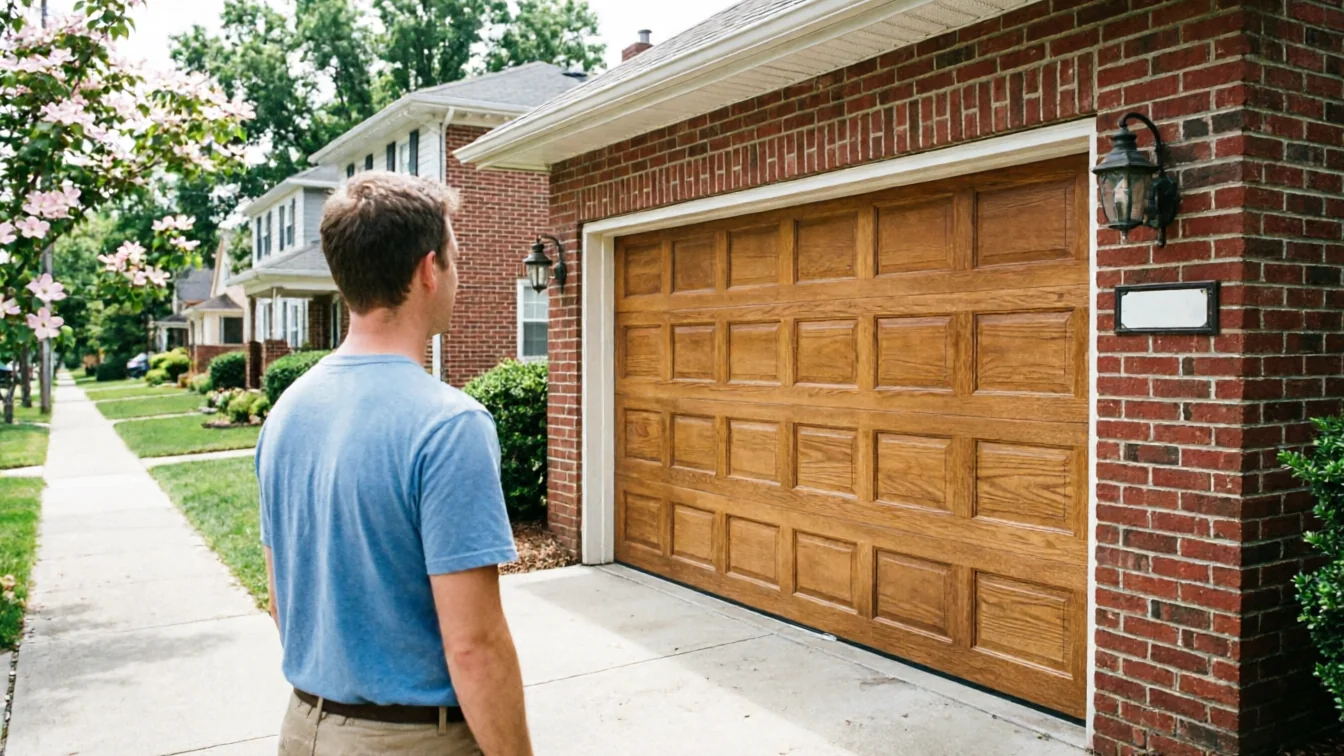
Silver Spring sits in a cold-severe climate band, and that matters more to a garage door than most homeowners expect. Steel panels contract in a hard freeze, torsion springs stiffen and lose tension faster, and any gap in old weatherstripping turns into a draft that runs straight into an attached garage. Most of the housing stock around here went up between 1948 and 2014, with the bulk from the 1960s and 70s, which means a lot of original doors - or early replacements from decades ago - were never built with the insulation values a cold-climate door needs today. If your door is original to a house from that era, the steel is thin, the hardware is whatever came standard at the time, and neither was speced for the winters this area actually gets. A new door bought for this town should carry a real R-value rating, not just a sticker that says insulated. That single spec does more for comfort and for the springs' working life here than anything else you pick.
The area
Start with the opening, not the door. Homes built before the 1970s around here often have framing cut for older standard sizes, and a new door - especially anything with thicker insulated panels - can need shimming, a new header, or reworked jamb brackets to fit right. Across the service area there are roughly 447,840 households and 165,138 owner-occupied houses, and a large share of those sit on openings framed decades before current door lines were designed. Check the track radius and headroom before you fall for a style online; low-headroom torsion setups are common in older attached garages and not every door accommodates them without an upgrade. Check the springs too - if they're original to a 1970s build, they're well past end of life regardless of the door above them. And check your opener's mounting: swapping a heavier insulated door onto an old chain-drive opener sized for a lightweight panel is a common mismatch that shows up as a struggling, noisy opener within the first year.
What we find
Here's the actual tension: a modern insulated door will outperform anything built when most Silver Spring houses went up - median year 1976 - but the opening it has to fit into usually wasn't designed around today's panel thickness or hardware weight. That's the real decision point when buying a replacement door here, not color or window style. A double-wide opening framed in 1965 can take a new door, but it may need bracket and jamb work that a straight panel swap skips. We'll say it plainly: if your framing is seriously out of square or rotted at the jamb, a straight replacement is the wrong move and that framing work needs to happen first - no door, however well insulated, fixes a structural problem underneath it. That's the one limitation worth knowing going in: we don't recommend hanging a new door on bad framing just to make a sale, and we'll tell you if that's what we find.
How we work
Late fall through winter is when a cold-climate door either earns its keep or doesn't. As temperatures drop, torsion springs lose a measurable amount of lift, and an older, non-insulated panel flexes more in the cold, which stresses rollers and track alignment faster than in a mild season. If you're planning a replacement, timing it before the hardest part of winter means your new springs and opener aren't working against a door that's already fighting the cold. Spring is the better window to catch problems building through winter - track misalignment, hardened lubricant, weatherstrip that cracked overnight in a freeze. None of that is unique to any one block, but it's consistent across a service area where most homes share the same 1960s-70s construction window and the same cold-severe winter pattern, from Takoma Park and Forest Glen through Kensington and Wheaton. A door bought for this area should be chosen with that seasonal swing in mind, not just for how it looks from the street.
Questions
If the garage shares a wall with living space, yes - in a cold-severe climate like this one, an uninsulated panel lets temperature swings into that shared wall. Given how much of the housing stock here dates to the 1960s and 70s with original or early-replacement doors, upgrading insulation when you replace is usually the single most noticeable improvement.
Not always. Homes built here between 1948 and the 1970s were often framed for sizes and hardware clearances that don't match current standard door lines. We check headroom, track radius, and jamb condition before quoting, because framing work - not the door itself - is where surprises usually show up.
If the panels are sound and it's really a spring, cable, or roller issue, repair is usually the cheaper and faster call. Full replacement makes sense when the door's insulation, hardware, or structure can't keep up with the cold-severe winters this area sees, not just because it's old.
Recommendation
More garage door guides for Silver Spring homeowners.
Silver Spring homes built from 1948 to 2014 mix detached and attached garages, and this area's cold winters treat each differently.
Read more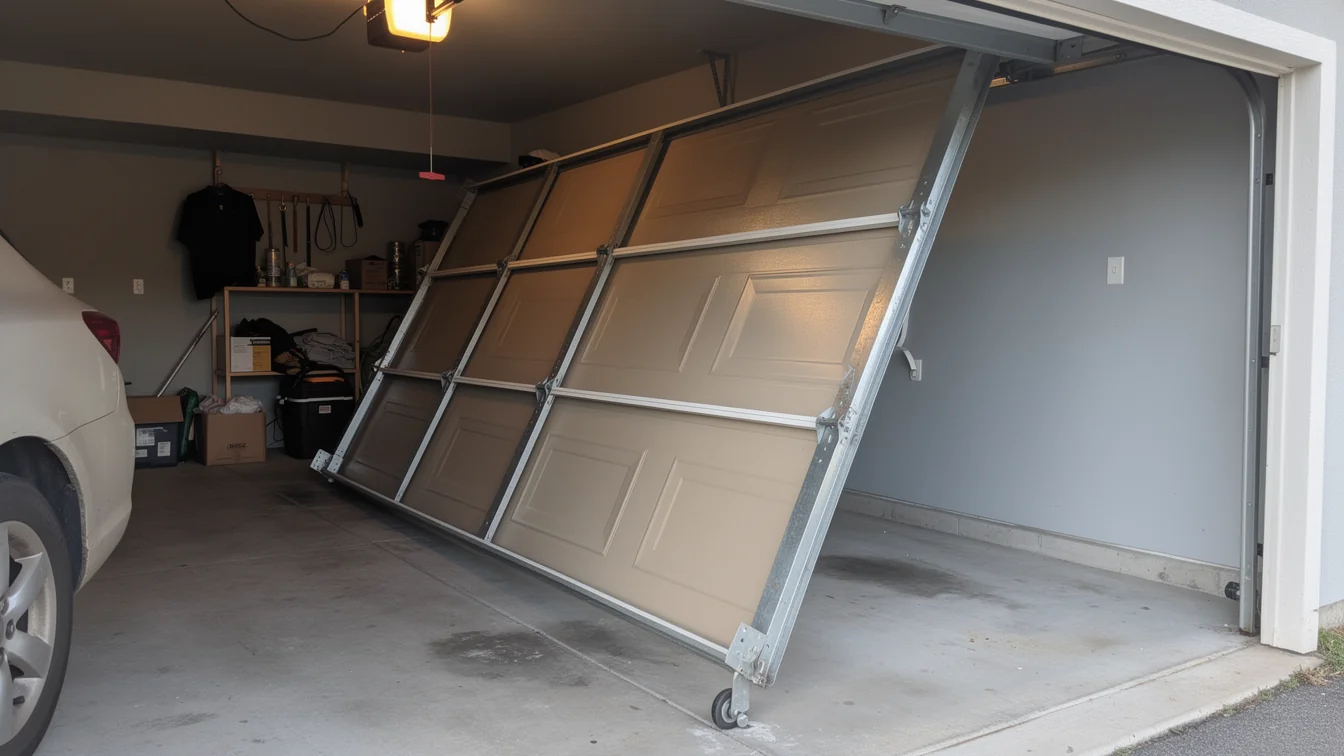
Silver Spring homes built mostly in the 1960s-70s face cold-climate track wear.
Read more
Silver Spring's garage doors mostly date to the 1960s and 70s, built before current insulation rules, and our severe cold winters find every gap and worn spring in them.
Read moreReady when you are
Silver Spring Garage Door Pros repairs and installs garage doors, springs and openers in Silver Spring, MD and the surrounding area.