
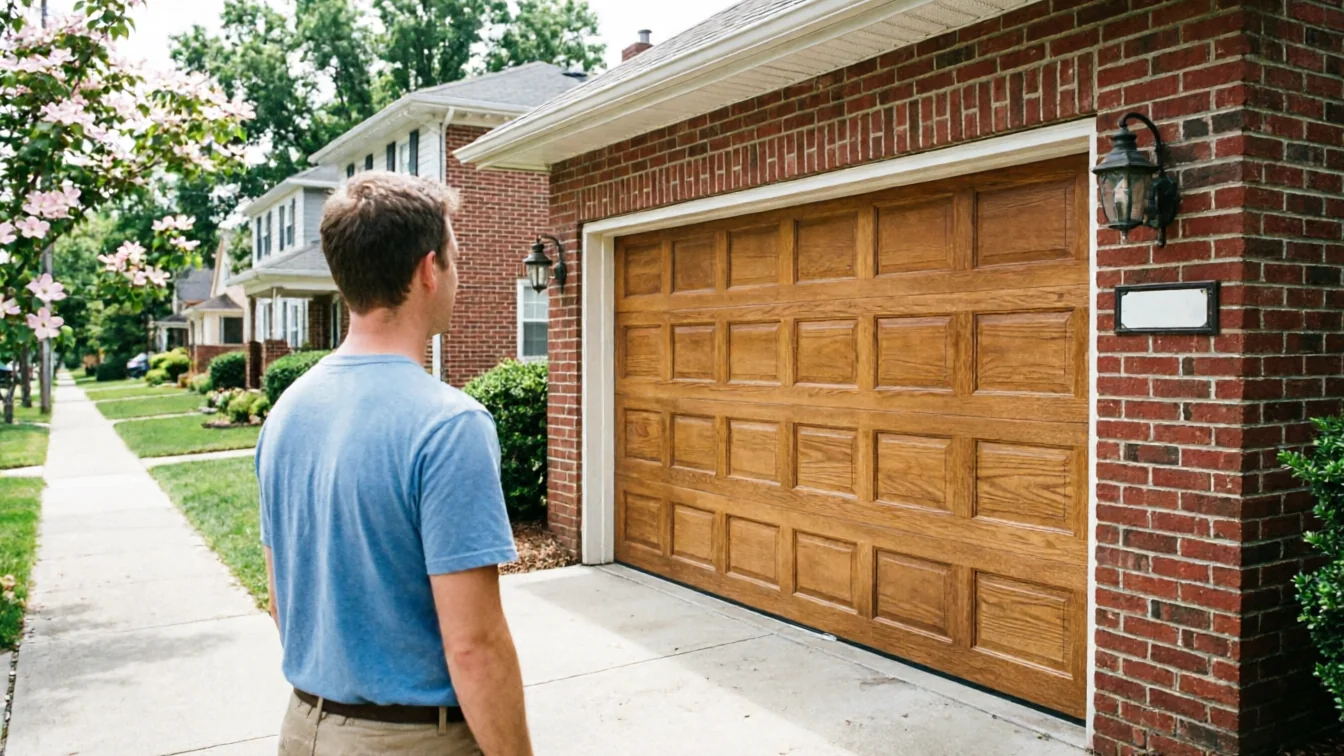
What a New Garage Door Needs to Handle in Silver Spring
Silver Spring homes built 1948-2014 face cold winters and aging torsion hardware.
Read moreSilver Spring's 1948-2014 housing stock carries a lot of double-wide garage doors on older hardware - here's how cold-climate wind pressure works against them over time.
Local detail
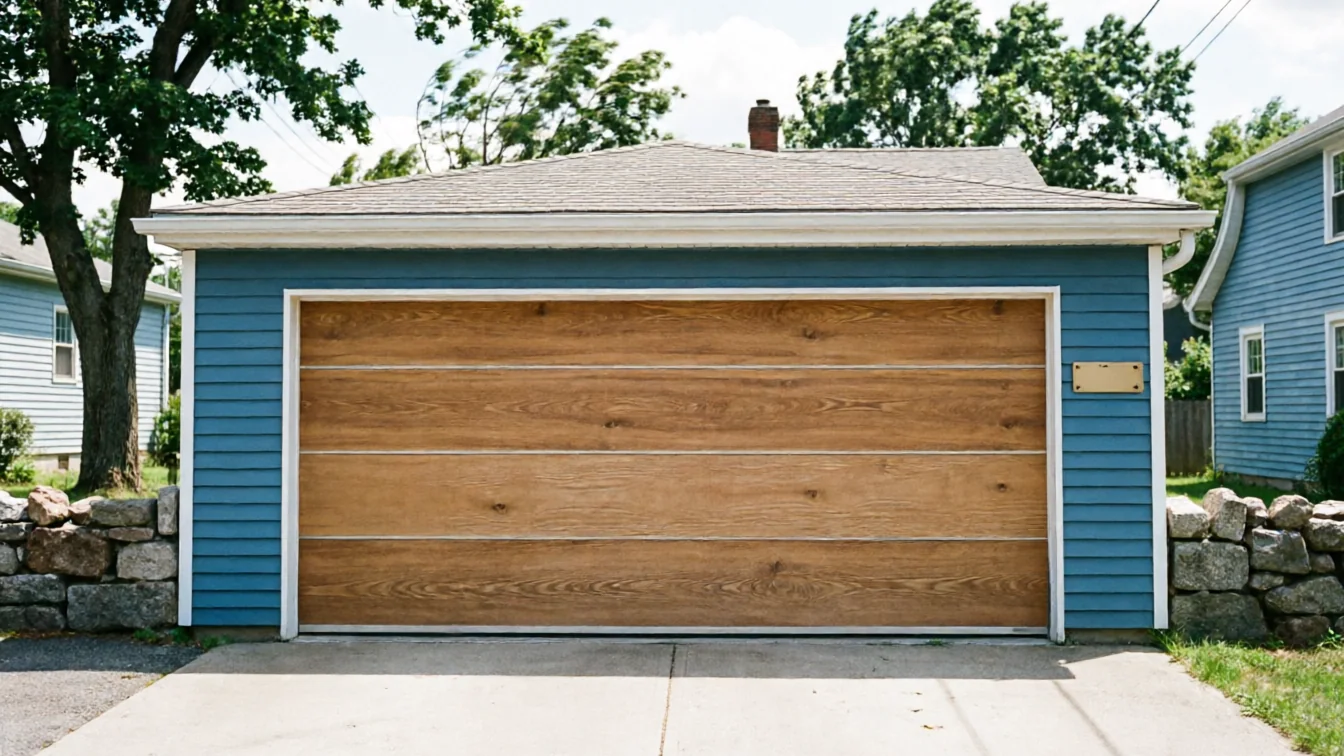
Silver Spring sits in a cold-severe climate band, and that matters more for a garage door than most owners think. Wind doesn't need a storm to do damage - it needs a flat surface and a gap. A double-wide door, the kind on a two-car garage, is the biggest flat surface on most of these houses, and it's exactly the panel most likely to have been installed before anyone thought about wind load on a residential door. Cold makes it worse. Freeze-thaw cycling through a typical Silver Spring winter works bolts loose at the jamb brackets and the center stile where two door sections meet. A bolt that's already half-loose from age gives wind somewhere to push. On a single-car door, that flex is minor. On a 16-foot door, the same gust translates into a lot more leverage against track brackets that were torqued down decades ago and never touched again. None of this shows up as a dramatic failure most of the time - it shows up as a door that shudders when a gust hits it, or won't seal flush at the bottom corners anymore, which lets more cold air and wind-driven moisture in than the door was ever doing when it was new.
The area
Start at the center stile on a double-wide door - the vertical seam where the two halves of the door meet if it's a two-car opening built as one wide panel, or the post between two single doors if it's set up that way. Push on it. Any give means the hardware behind it has backed out. Next, look at the track brackets along both jambs, especially near the top where wind load transfers into the frame. Rust streaks below a bracket usually mean water's been getting behind it, which in this climate means freeze-thaw has already started working on the fasteners. Check the bottom astragal seal too - if daylight shows at the corners, wind's already finding a way in, and that gap will only get wider. We don't recommend tightening track brackets yourself if the door is a double-wide under tension from extension springs; that's a two-person job with the door secured, not something to do solo on a ladder in a gust.
What we find
Houses in this area were built mostly between 1948 and 2014, with a lot of the stock dating to the 1960s and 70s, and that generation of construction didn't engineer garage openings for wind pressure the way current code does. A 16-foot opening from that era often got a door designed more for size than for structural rigidity - thinner end stiles, fewer struts, hardware sized for the weight of the door rather than the force of wind against it. A house two miles out in Forest Glen or Takoma Park built in the same stretch likely has the identical setup: a two-car door with no reinforcing strut across the middle, held by jamb brackets that were adequate in 1970 and are now fifty-some years older. The honest limitation here is that reinforcing an old double-wide door after the fact - adding a strut, upgrading brackets - sometimes costs close to what a new door runs, and at that point replacement is the better call rather than patching hardware that's already fatigued.
How we work
Late fall is when to check the door, before the freeze-thaw cycle really gets going - a loose bracket found now is a tightening job, found in February it may be a broken one. Winter is when the cold-severe pattern here does its worst work: repeated freezing and thawing swells and contracts the wood jamb the track is bolted to, and every cycle backs the screws out a fraction more. By late winter, a double-wide door that wasn't checked in fall is the one most likely to rattle loose in a hard gust. Spring is for a real inspection - pull the stripping, check the stile, look at every bracket - because that's when you can still catch wind damage before summer storms add another layer of stress to hardware already weakened by the winter. Across the neighborhoods out toward Kemp Mill and Adelphi, three miles from the center of town, that same seasonal pattern plays out on the same vintage of door, which is why fall and spring checks matter more here than a one-time inspection ever will.
Questions
A double-wide door has a lot more flat surface for wind to push against, and on homes from this area's 1960s-70s building era, that door often lacks a center reinforcing strut. Without it, wind load concentrates on the center stile and the track brackets, which is why a two-car door shudders when a single-car door next to it barely moves.
Both, working together. The cold-severe climate here puts the jamb through repeated freeze-thaw cycles that loosen the bolts holding track brackets in place. Once those bolts are loose, wind has something to exploit. Neither one alone does much damage fast - it's the combination, over a winter, that lets a gust start moving a door that used to be solid.
Sometimes, if the rest of the door and hardware are sound. But on a door old enough to be flexing from wind in the first place, the stiles and track brackets are often fatigued too, and reinforcing one weak point while leaving the others can cost close to what a new door runs. We'll tell you honestly which side of that line your door is on.
Recommendation
More garage door guides for Silver Spring homeowners.
Silver Spring homes built 1948-2014 face cold winters and aging torsion hardware.
Read more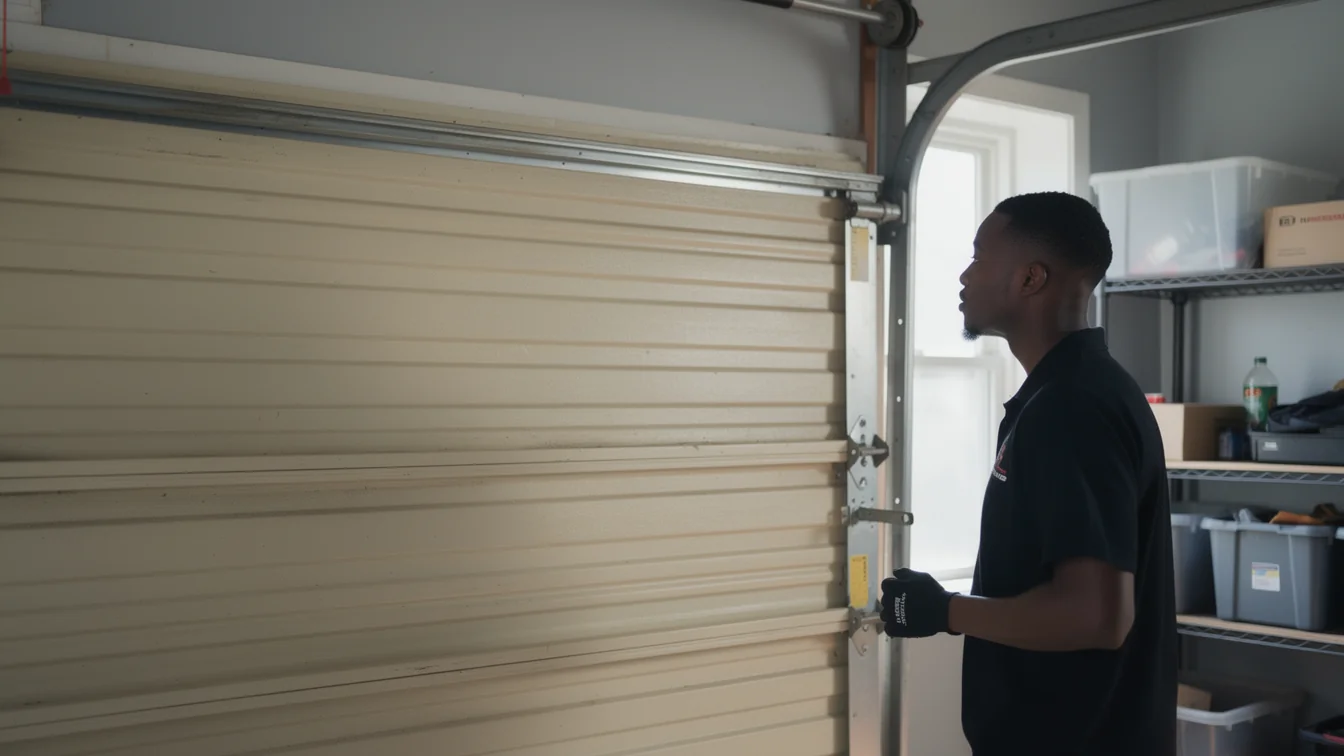
Silver Spring homes mostly date to the 1960s-70s, and cold-climate freeze-thaw cycles wear original hardware fast.
Read more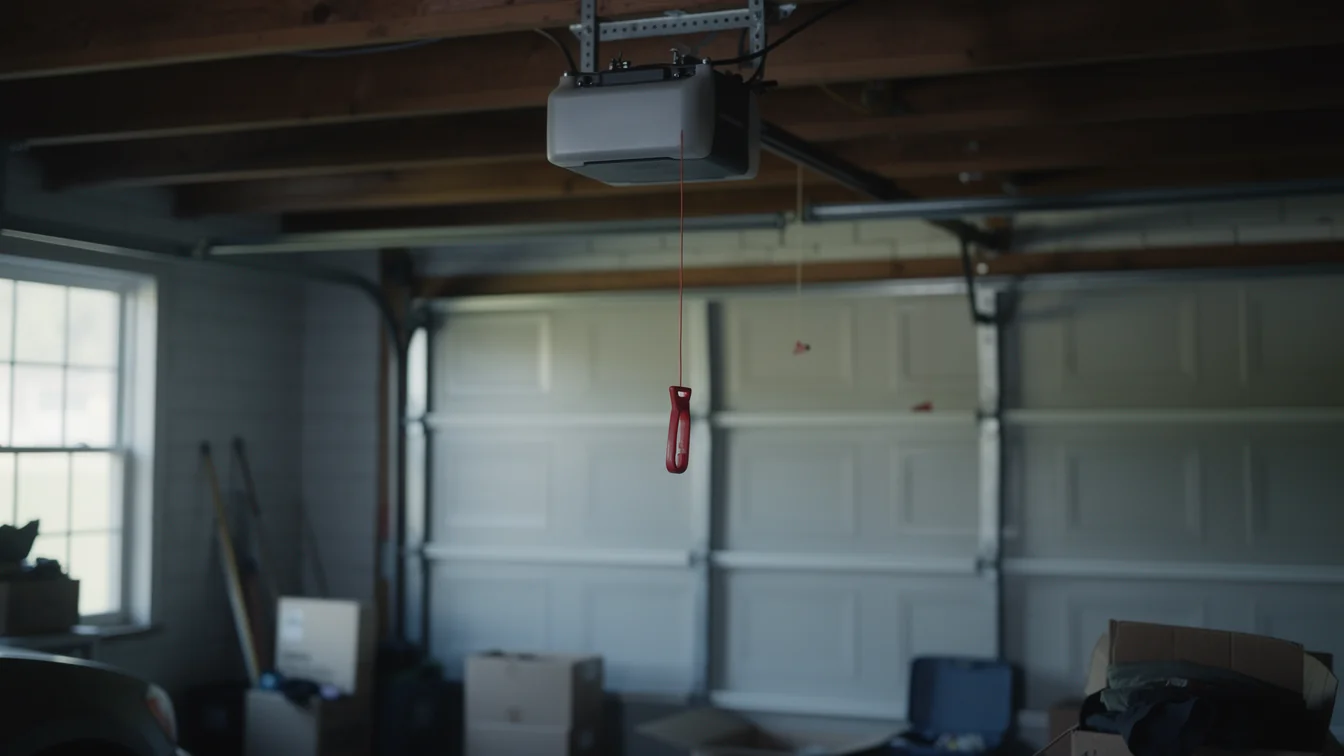
How Silver Spring's cold winters and older 1960s-70s housing stock combine to leave garage door openers dead when the power goes out, and what to do about it.
Read moreReady when you are
Silver Spring Garage Door Pros repairs and installs garage doors, springs and openers in Silver Spring, MD and the surrounding area.