
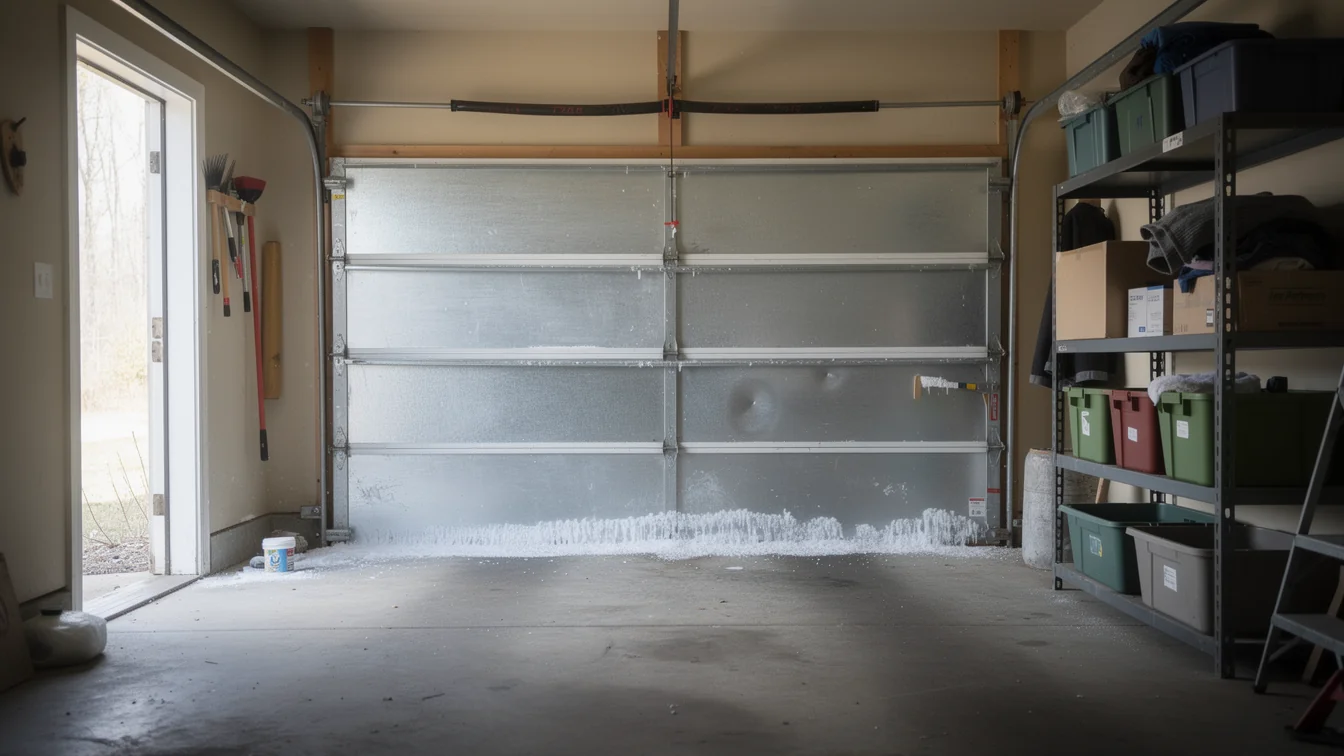
What Silver Spring's Climate and Housing Age Do to a Garage Door
Silver Spring's garage doors mostly date to the 1960s and 70s, built before current insulation rules, and our severe cold winters find every gap and worn spring in them.
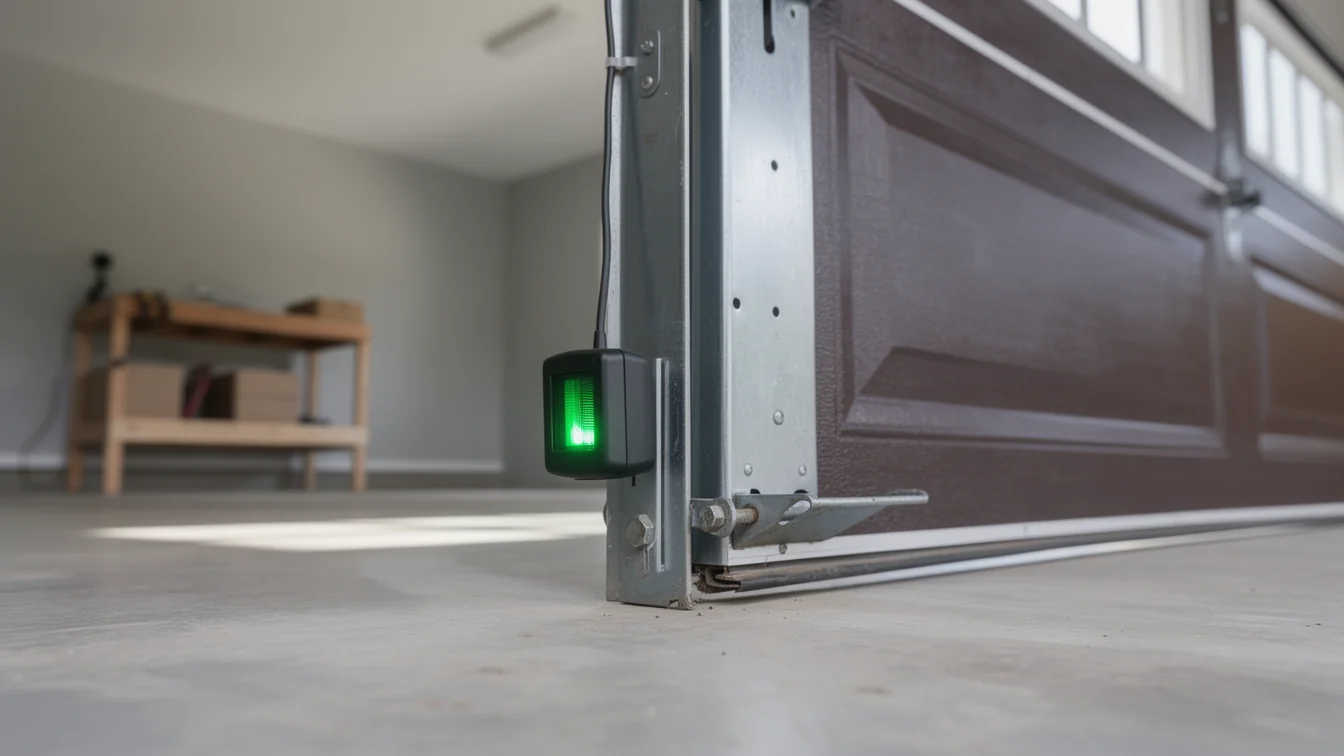
Read moreWhy garage door safety sensors go out of alignment in Silver Spring homes, tied to the area's 1960s-70s housing stock and severe cold-climate ground movement.
Local detail
Silver Spring sits in a severe cold climate band, which means the ground under your slab goes through real freeze-thaw cycles every winter. That movement doesn't stop at the foundation wall. The concrete apron in front of the garage, and the slab the door tracks are bolted to, shifts a little every season. On a house from the 1960s or 70s - which describes most of the stock across this service area - that slab has had fifty or sixty winters to settle unevenly. The track brackets mounted to the framing don't move with it, but the sensor brackets, which are often just sheet-metal tabs screwed into older jamb studs, do. A quarter-inch of settling is enough to tip a sensor eye a few degrees off its partner across the opening. You won't see it. The opener will just start reversing on you, or refusing to close at all, usually on the coldest mornings when the wood has contracted the most.
The area
Start at the brackets, not the opener. On houses built before the 1970s retrofit wave of garage door openers, the sensors were often added years after the door itself, bolted onto whatever stud or trim was handy at the time. Check that both brackets are still tight - wood shrinks and swings loose screws over fifty-plus years of heating seasons. Next, look at the lenses themselves for a haze of condensation or a film of salt dust tracked in off a plowed driveway; both scatter the infrared beam enough to cause random reversals. Finally, sight down the beam line with the garage dark - a flashlight held at sensor height on one side should show the other sensor's light steady, not blinking. If it flickers when you tap the door frame, the problem is a loose bracket, not a dead sensor.
What we find
The honest limitation here: realigning sensors is a five-minute job, but on houses where the opener has been retrofitted more than once - common across this area's 1948-to-2014 housing span - the sensor wiring itself can be the real culprit, and that's not a job we can diagnose over the phone. Old low-voltage wire, spliced and re-spliced through a few opener swaps, develops intermittent shorts that look exactly like a misalignment but aren't. We check wiring continuity before we touch a bracket, because resetting the alignment on bad wire just buys you a week before it drifts again.
How we work
Late fall, as the slab starts to cool and contract, is when we see the first wave of sensor calls - doors that worked fine all summer suddenly won't close past halfway. Deep winter brings a second wave tied to ice and road salt fouling the lenses rather than bracket movement. Spring thaw is the big one: as the ground around Silver Spring heaves back up, slabs that shifted all winter settle again, and sensors that were aligned in January can be off by enough to matter in April. Summer is usually the quiet season - humidity and heat don't move brackets the way freeze-thaw does, so it's a reasonable time to get ahead of the next cold stretch and have both sensors and their mounts checked while nothing's urgent.
Questions
Overnight cold contracts the wood framing and shifts the slab slightly, which can tip sensor brackets just enough to break the beam. It usually isn't the sensor itself failing - it's the mount moving with the temperature swing, which is common in this area's older housing stock.
Often, yes - loosen the bracket screws, square the sensor by eye or with a level, and retighten. If it drifts back within days, the issue is more likely loose framing or old wiring than the alignment itself, and that's worth a second look.
Not always. Wire that's been spliced through a couple of opener replacements over the decades can develop intermittent faults that mimic a misalignment. We test continuity before resetting alignment so you're not paying to fix the same problem twice.
Recommendation
More garage door guides for Silver Spring homeowners.
Silver Spring's garage doors mostly date to the 1960s and 70s, built before current insulation rules, and our severe cold winters find every gap and worn spring in them.
Read more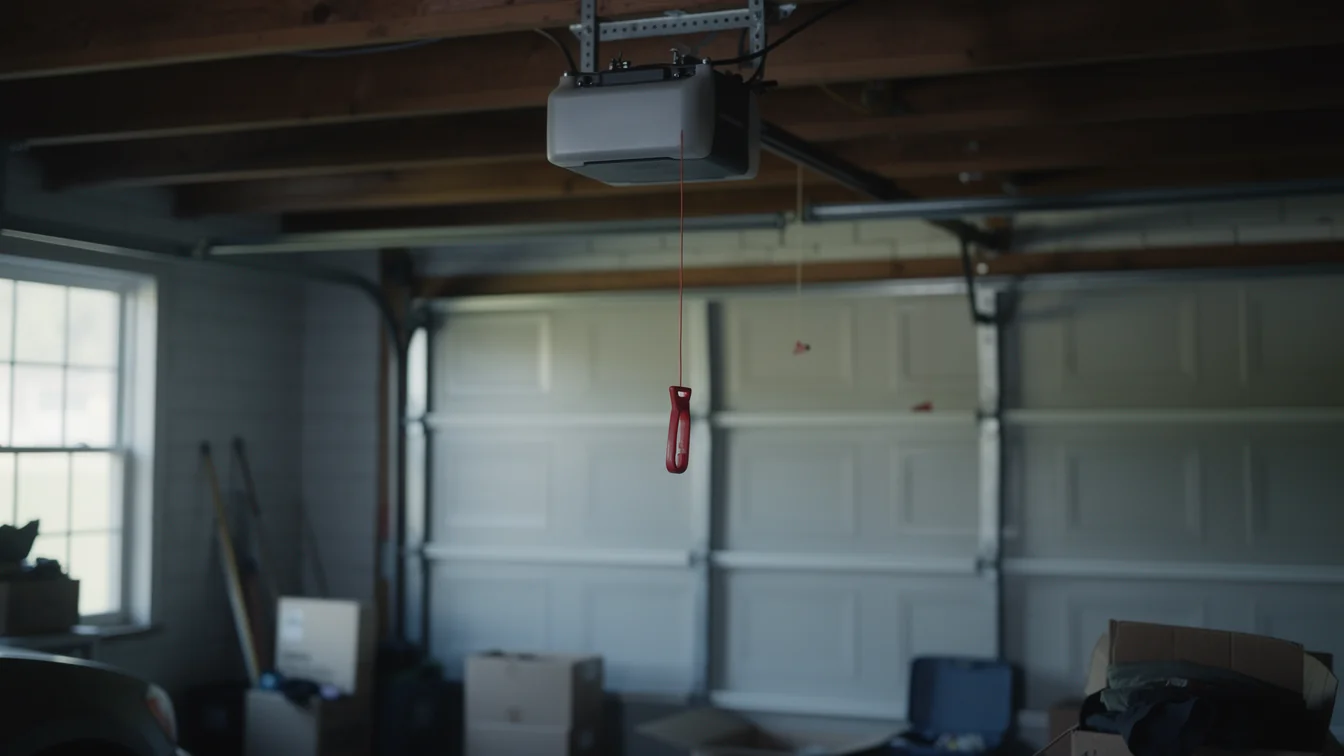
How Silver Spring's cold winters and older 1960s-70s housing stock combine to leave garage door openers dead when the power goes out, and what to do about it.
Read more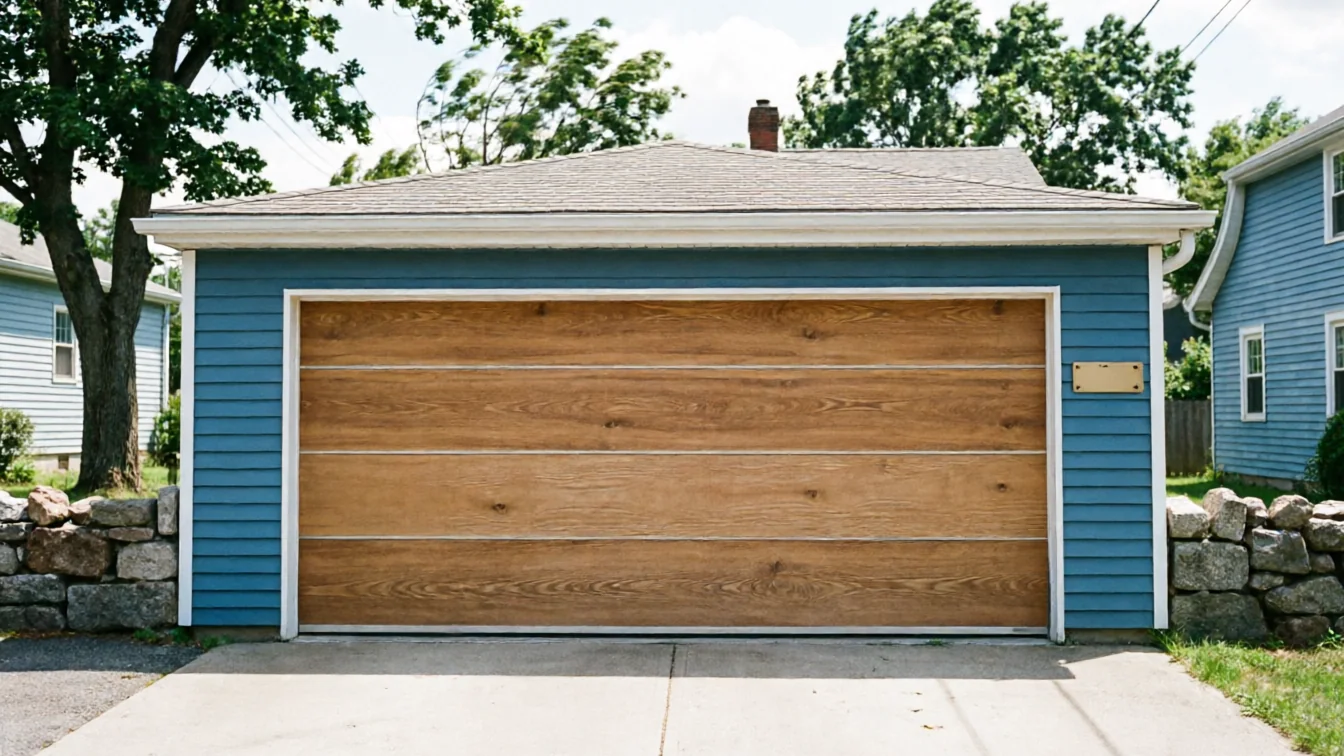
Silver Spring's 1948-2014 housing stock carries a lot of double-wide garage doors on older hardware - here's how cold-climate wind pressure works against them over time.
Read moreReady when you are
Silver Spring Garage Door Pros repairs and installs garage doors, springs and openers in Silver Spring, MD and the surrounding area.