Noises That Mean Something: A Silver Spring Homeowner's Guide
Silver Spring homes mostly date to the 1960s-70s, and cold-climate freeze-thaw cycles wear original hardware fast.
Read moreSilver Spring homes mostly date 1948-2014, median 1976. Here's what cold winters do to that original hardware, and when repair still makes sense.
Local detail
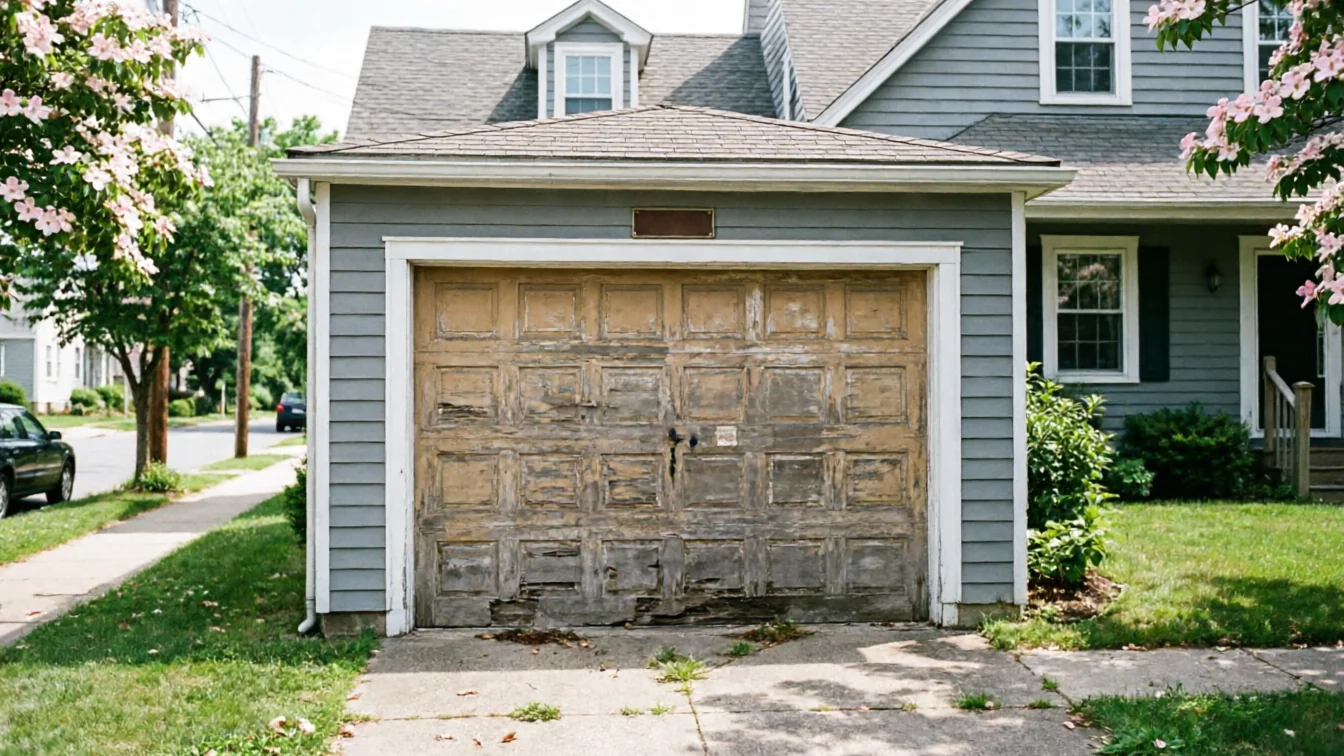
Silver Spring sits in a cold-severe climate band, which means the hardware on your door goes through a real freeze-thaw cycle every winter, not just a cold snap or two. Steel tracks contract in January and expand again in a March warm spell, and that movement works screws loose, bends track flanges a hair out of true, and stiffens grease in the rollers until the opener is straining against friction instead of lifting a balanced door. On a door installed in the 1970s, which is common stock here, you're also dealing with galvanized hardware that's had forty-plus winters of that cycle, not four or five. Extension springs lose tension faster in the cold, and torsion springs rated for a certain cycle count wear out sooner when the metal is stressed by temperature swings on top of daily use. None of this is dramatic - a door doesn't fail in one storm. It's cumulative wear that shows up as a slow start, a grinding sound, or a door that reverses on the way down because a sensor bracket shifted slightly out of alignment. If your door is original to a house built in that 1948-1976 window, the weather has been working on it the whole time, quietly.
The area
Before you decide to fix or replace, look at a few things yourself. Check the springs: a torsion spring that's visibly stretched apart at the coils, with a gap you can see daylight through, is near the end of its life. Check the cables for fraying at the bottom bracket - that's a safety issue, not a cosmetic one. Lift the door by hand with the opener disconnected; if it's heavy or uneven, the springs are no longer doing their job and the opener has been compensating, which shortens its life too. Look at the track for rust pitting or bent sections, especially near the bottom rollers, since that's where road salt and runoff tend to collect on driveways around here. If the door is a steel panel type common to the 1960s-70s housing stock across this area, check for rust-through at the bottom panel, where moisture sits longest. A door that's structurally sound with worn springs or a failing opener is almost always worth fixing. A door with a bowed track, rusted-through panels, and an opener from the same era is a different conversation.
What we find
The honest problem with older doors in Silver Spring is parts. A lot of the housing here was built between 1948 and 2014 with a median around 1976, and that mid-century stock often has hardware sized or mounted in ways that current manufacturers don't match exactly. A torsion spring wound to an old specification, or a track bracket pattern from a builder that stopped using it decades ago, can mean a repair takes longer to source than the job itself takes to do. We'll tell you straight when a part isn't readily available rather than stall you waiting on it. That's the limitation worth knowing going in: we can fix most of what shows up on doors from this era, but if a part has to be special-ordered, that adds time we don't control. In those cases, replacing the opener or the panel section is often faster and not much more than waiting weeks for an exact match. We'd rather tell you that up front than have you sit without a working garage door while we chase a part.
How we work
Fall is when we see doors that worked fine all summer start sticking, usually because grease has thickened and the first cold mornings expose a spring that was already marginal. Winter is when outright breaks happen - a cold-stiffened cable or a spring that was down to its last few cycles finally lets go on a sub-freezing morning, often on the coldest day of a stretch rather than the first cold day. Spring brings the freeze-thaw damage into view: panels that cracked in January show their full extent once things warm up, and track alignment issues that were minor in December are now letting the door bind or scrape. Summer is the easiest season on hardware here, but it's also the best time to get ahead of next winter - replacing a spring or servicing an opener in July costs you nothing in downtime and saves you the emergency call in a February cold snap. If your house falls in that 1960s-70s band common across this area, a fall check before the first hard freeze is the single best-timed thing you can do for the door.
Questions
Not necessarily. Age alone doesn't rule out repair - condition does. If the panels aren't rusted through and the track isn't bent, a spring or cable replacement can keep a 1970s door running well. The parts search sometimes takes longer than the repair, but that's a timing issue, not a reason to replace outright.
Cold doesn't cause the break by itself, but it speeds up wear that was already there. A spring near the end of its cycle count is more likely to fail on a cold morning because the metal is stiffer and under more stress. The warning signs were probably there for weeks - a slower lift, a grinding sound - before the cold finished the job.
Often, yes. If the panels and track are sound, a new opener on an older but structurally good door is a reasonable repair. We'd only steer you toward full replacement if the door itself has rust-through, bowed track, or damage that a new opener won't fix.
Recommendation
More garage door guides for Silver Spring homeowners.
Silver Spring homes mostly date to the 1960s-70s, and cold-climate freeze-thaw cycles wear original hardware fast.
Read more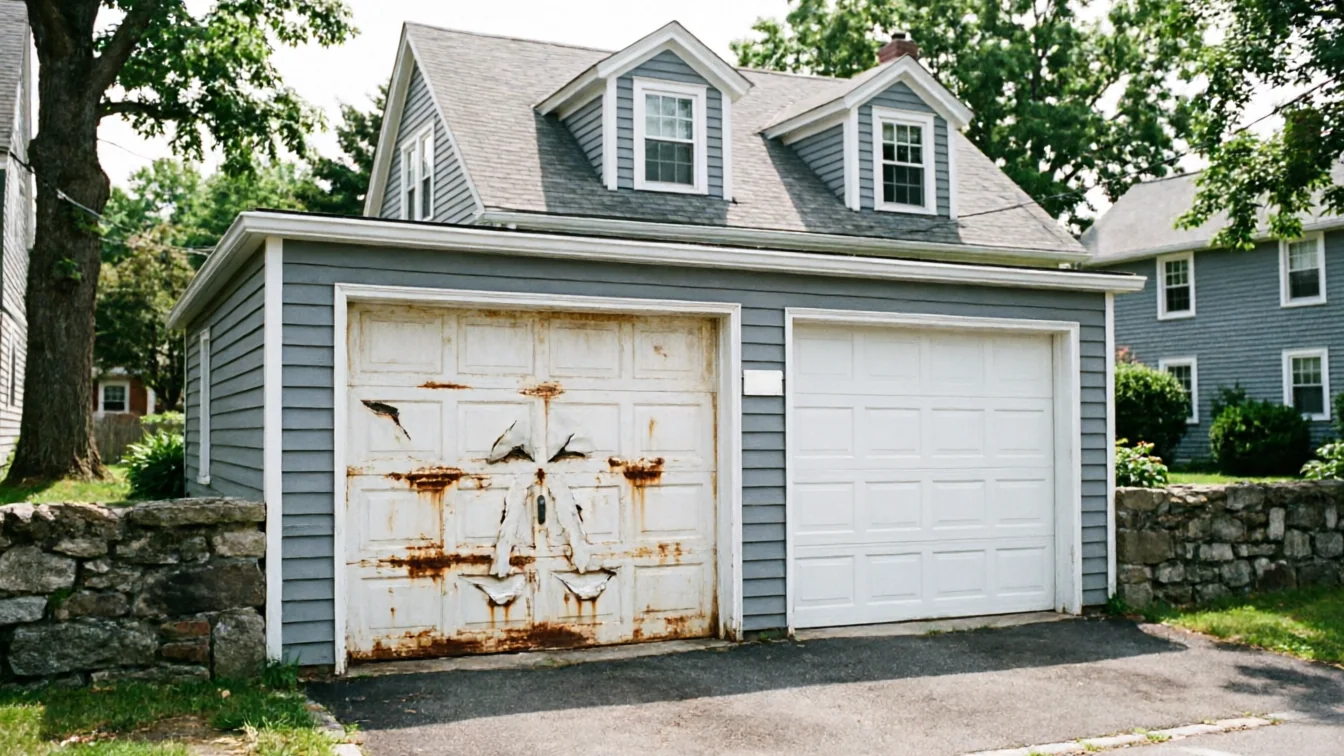
Silver Spring's garage doors mostly date to the 1960s and 70s, built before current cold-climate codes.
Read more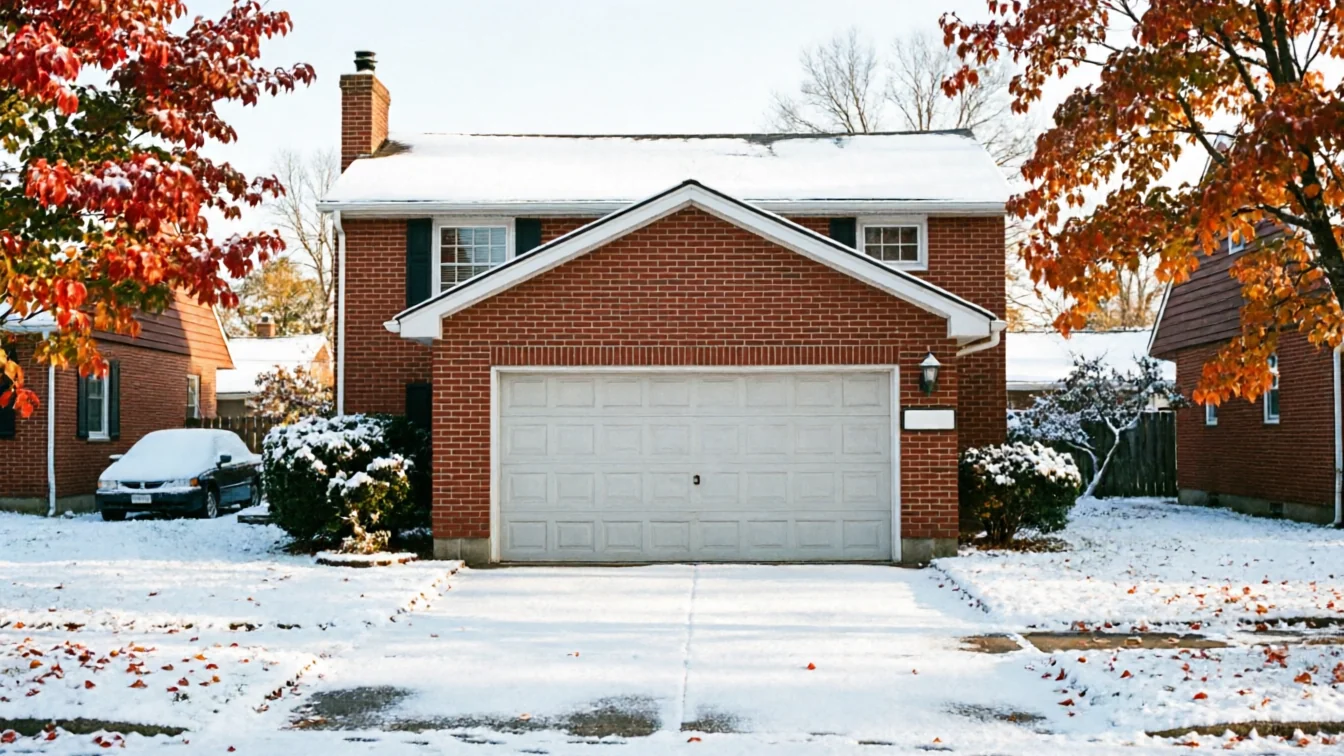
Most Silver Spring houses date to the 1960s and 70s, with original hardware still on many.
Read moreReady when you are
Silver Spring Garage Door Pros repairs and installs garage doors, springs and openers in Silver Spring, MD and the surrounding area.