
Clinton, Silver Spring
Clinton's Newer Homes Still Need Spring Repairs
Clinton homes date to 1987, newer than Silver Spring's older stock, but cold winters still wear out torsion springs. We travel about 18 miles to fix them.
Parts We Carry
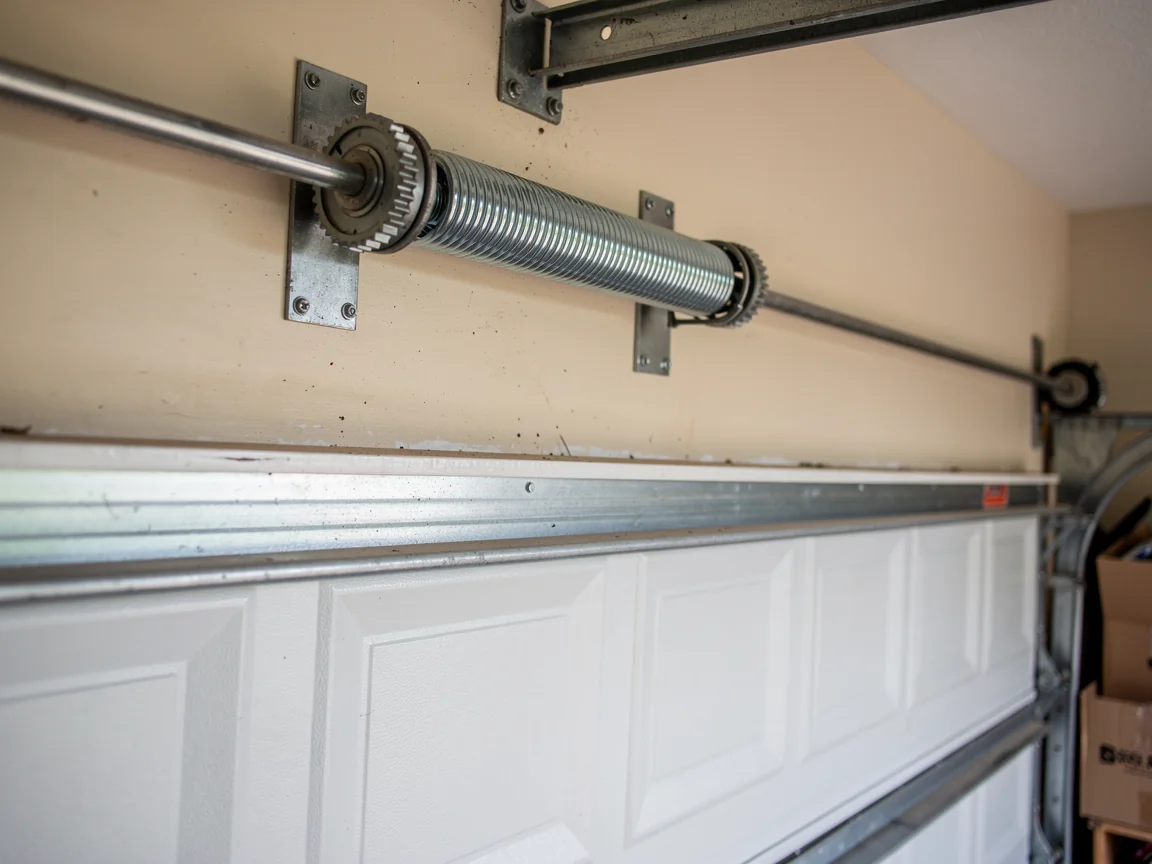
Clinton's typical house went up around 1987, which puts most garage doors here on standard torsion spring systems rather than the older side-mounted extension setups you'd find on a 1960s build closer to Silver Spring.
Standard cycle-rated springs
That means a single torsion spring (or a pair, on a double-wide door) mounted on a shaft over the opening, wound to a standard cycle rating for a builder-grade steel sectional door. We carry common torsion spring sizes for 7-foot and 8-foot residential openings, standard drums, cables, and bearing plates.
Custom springs take days
What we don't carry on the truck is anything custom - oversized commercial springs, odd-wind specialty coils, or springs for doors with non-standard track configurations. Those get ordered, and that adds a day or two before the job can finish. If your door is a known brand with a common spring size, we're usually in and out the same visit.
Matching wind and wire gauge
If it's something unusual, we'll tell you that up front rather than guess at it. The honest limit here: we match spring wind, wire gauge, and inside diameter to what the door needs, not to what's convenient to have in stock. Getting it wrong means a spring that burns out in a year instead of lasting the cycle count it's rated for.
The Symptom
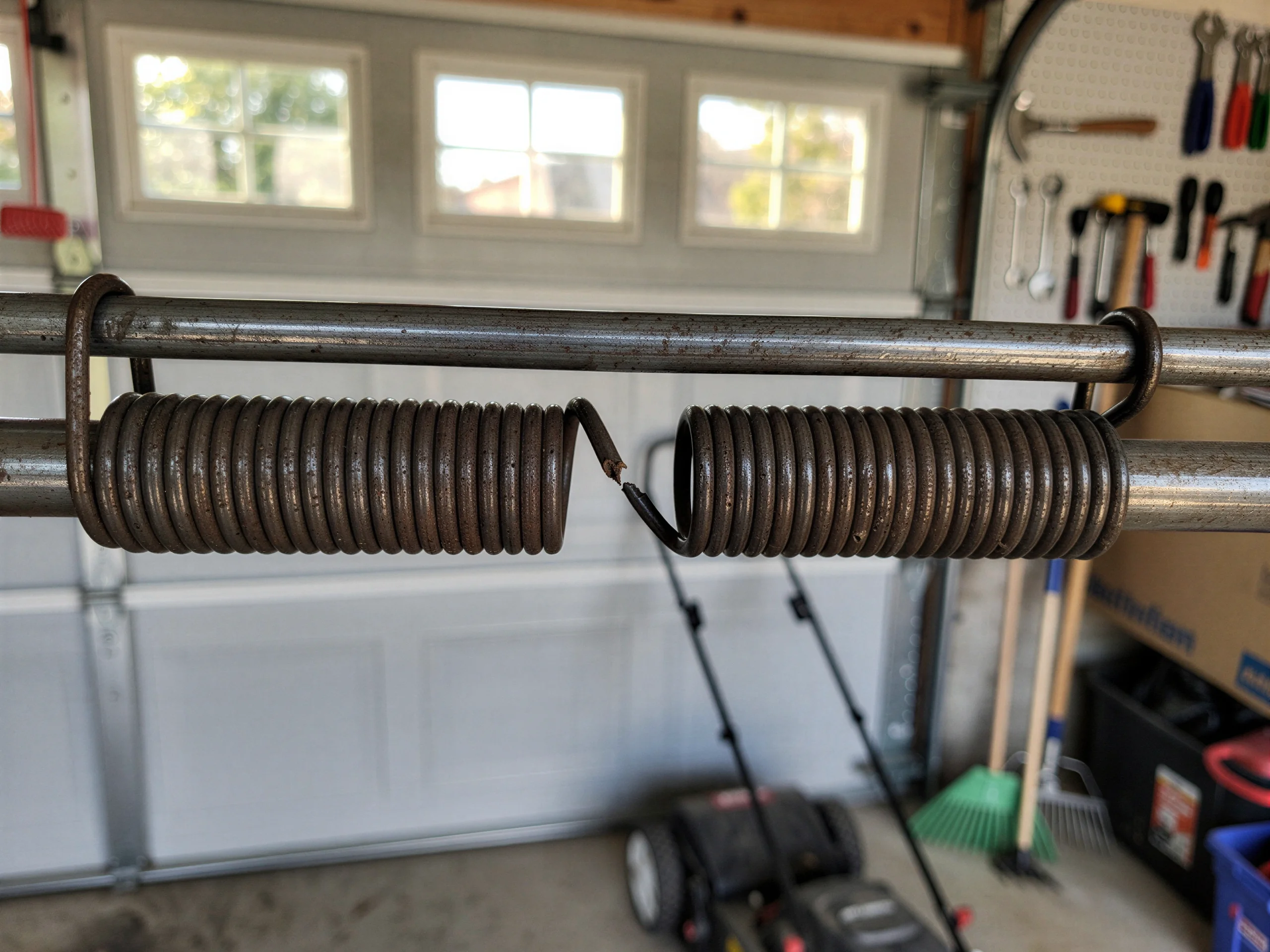
The most common call is a door that won't budge, or one that opens a few inches and stops. If you hear a loud bang from the garage before that happens, that's almost always the spring letting go - not the opener failing.
Too heavy for opener
A broken torsion spring leaves the door too heavy for the opener motor to lift on its own, even though the opener itself is fine. Another version of this: the door opens, but it's noticeably heavier to lift by hand than it used to be, or it slams down faster than it should when closing.
Gradual loss near end-of-life
That's a spring losing tension gradually rather than snapping outright, and it usually means the spring is near the end of its rated cycle life, not that something else is wrong. Less common but still worth flagging: one side of the door hangs lower than the other, or the door tilts as it opens.
Stop using imbalanced door
On a double-spring system, that's often one spring breaking while the other still holds some tension - and it's a sign to stop using the door until someone looks at it, since the imbalance puts uneven stress on the tracks and rollers.
The DIY Question
Don't. A torsion spring under tension stores enough energy to break a wrist or worse if it lets go while you're working on it, and there's no way to tell from the outside how much tension is left in a spring that's cracked but hasn't fully snapped.
Extension springs need caution
This isn't a bolt-and-wrench job like swapping a roller. Extension springs - the ones that stretch along the horizontal tracks rather than sitting on a shaft - are somewhat less dangerous to be near, but they still need a safety cable run through them, and installing that correctly is not obvious if you haven't done it before.
Simple self-checks
What you can safely check yourself: whether the door is actually a spring problem or something else, like a disconnected opener arm or a sensor out of alignment.
Motor strain versus blinking light
If the door won't move at all and you hear the motor straining, that's consistent with a spring. If the door moves but the opener light just blinks, that's a different problem entirely, and no spring is involved.
What Causes It Around Here
Springs fail from cycle count and from temperature swings, and this area gets both. The climate here falls into a severe cold band, and torsion springs lose a measurable amount of their flex tolerance in hard winter cold - the metal gets less forgiving right when the door is being used the most, since garage doors see more daily cycles in winter months.
Clinton's homes are newer than a lot of the broader service area - median build year around 1987, compared to a median closer to 1976 across the wider territory, where plenty of stock still dates back to the 1960s and 70s. That newer construction means builder-grade torsion springs installed when the house went up are now 35-plus years into a part that's typically rated for a fixed number of open-close cycles, not a fixed number of years. A spring doesn't know how old the house is; it only knows how many times it's been wound and released, and cold weather accelerates the fatigue on top of that.
How Long You Are Without the Door
Clinton sits about 18 miles from Silver Spring, where the truck comes from. That distance is part of the math on any call here - it's travel time added before a tech is standing in front of your door, on top of whatever else is on the schedule that day.
Same-visit spring replacement
Once the tech is there, a standard torsion spring swap on a common size is usually a same-visit repair - wind off the old spring, confirm the drums and cables are still sound, install the matched replacement, and test the balance.
Diagnosis-first trips when unusual
If the spring size turns out to be unusual for the door, or if the cables or drums are also damaged, that visit becomes a diagnosis-and-order trip instead of a finish-it-today one.
Ordering only when needed
We won't promise a same-day window for Clinton specifically - that's not something we control once it's on the schedule - but a straightforward spring job doesn't typically turn into a multi-day wait unless parts have to be ordered.
What Can Go Wrong
A broken spring on its own is usually a contained problem. What makes it worse is what happens after - someone keeps hitting the opener button trying to force the door, and now the opener's gears or the drive belt are taking the strain the spring was supposed to carry. That can turn a spring repair into a spring-plus-opener repair.
Cables can also jump the drum when a spring breaks unevenly, especially on a double-spring door where one side lets go before the other. A cable off the drum, left alone, can fray or kink, and a frayed cable is its own separate failure waiting to happen.
Less often, the door comes off the track entirely if it's forced while unbalanced - panels can bend, rollers can pop their brackets. None of that is inevitable, but it's the reason we tell people to stop using a door the moment it shows signs of an uneven spring rather than trying to get one more trip out of it. A spring repair is a contained job. A door that's been forced off-track with a bent panel usually isn't - at that point you're often looking at replacement instead of repair.
Questions
Common questions
How do I know if it's the spring and not the opener?
If the opener motor runs - you hear it humming - but the door barely moves or doesn't move at all, that points to a spring that's lost tension or broken, since the motor isn't built to lift the door's full weight alone. If the opener doesn't make noise at all, the problem is more likely electrical or in the opener itself.
Why does my spring keep breaking sooner than I expect?
Torsion springs are rated by cycle count, not years, and this area's cold winters add extra stress on the metal during the months the door gets used most. A spring on a 1980s-built house can be well past its rated cycles without ever having been replaced, especially if it was the original builder-grade part.
Can I just replace one spring if I have two?
You can, but the other spring is usually close behind it in wear, especially if both were installed the same year. Most jobs replace both at once so you're not back for a second call a few months later for the matching spring.
Do you carry the spring size for my door on the truck?
For common residential sizes on standard 7-foot and 8-foot doors, usually yes. For oversized or unusual doors, the spring sometimes needs to be ordered, which adds a day or two before the repair can finish.
Explore more
More Services in Clinton
Garage Door Repair
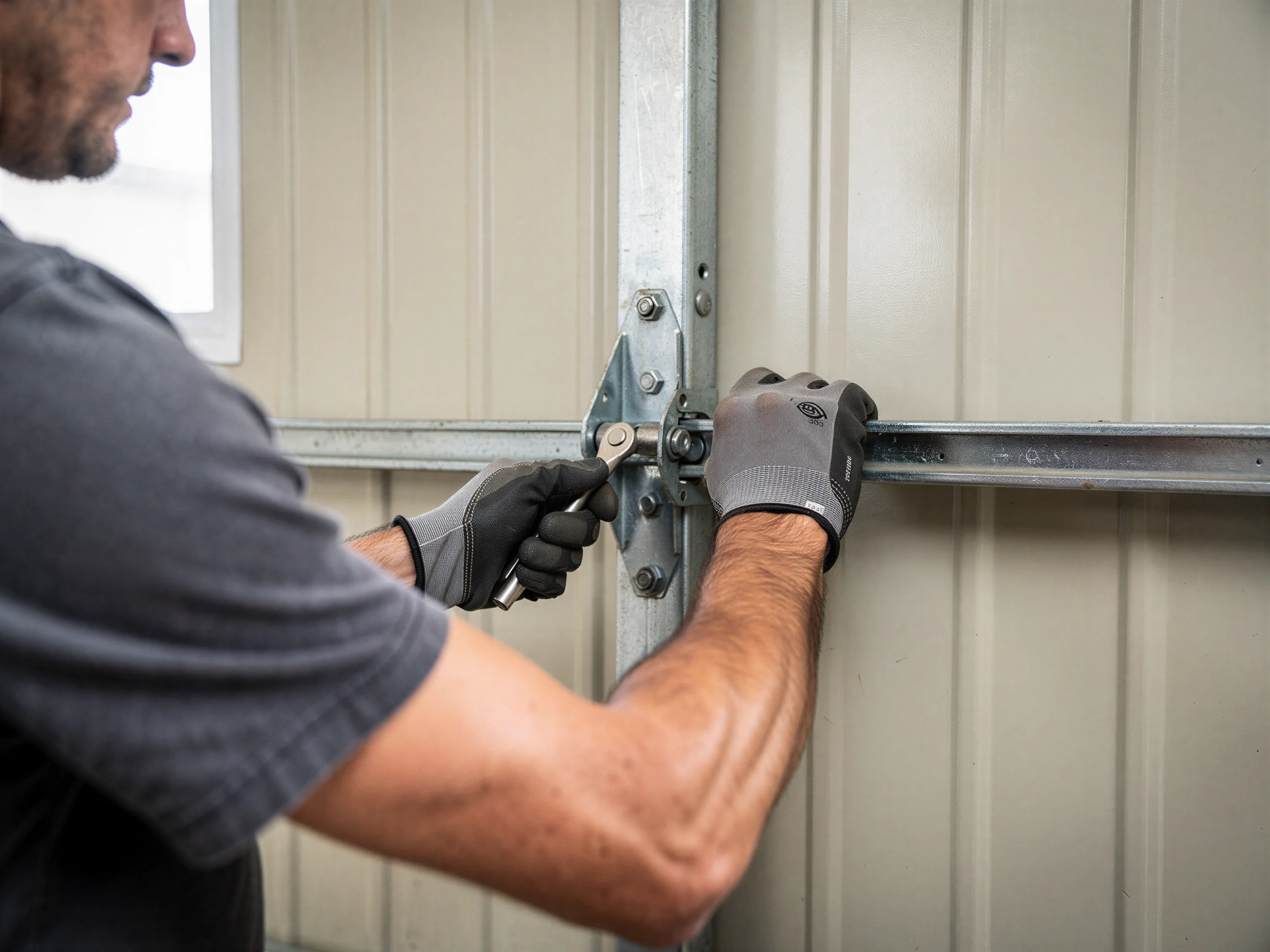
Garage door repair for Clinton, MD homes built mostly in the late 1980s. Learn more →
Garage Door Service
Clinton homes mostly went up around 1987 - different springs, different openers than closer-in Silver Spring suburbs. Learn more →
Maintenance
Clinton homes mostly went up after 1987, a decade past the service area median, so the wear patterns, openers, and seals here aren't the same ones we see closer to Silver Spring. Learn more →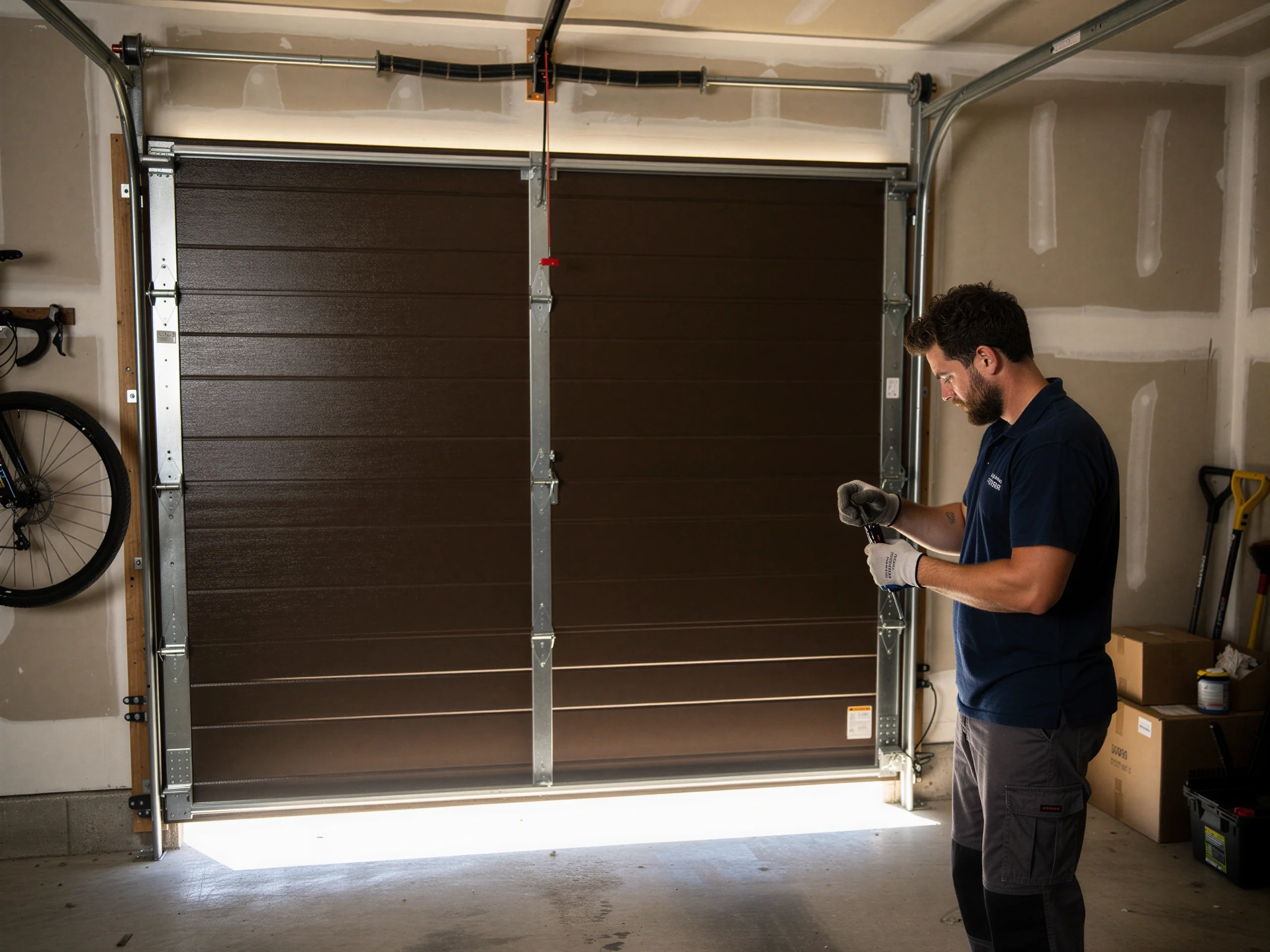
New Door Installation
Clinton homes median out at 1987-built, median income $120,967 - old enough for a worn door, new enough that replacement beats another patch repair. Learn more →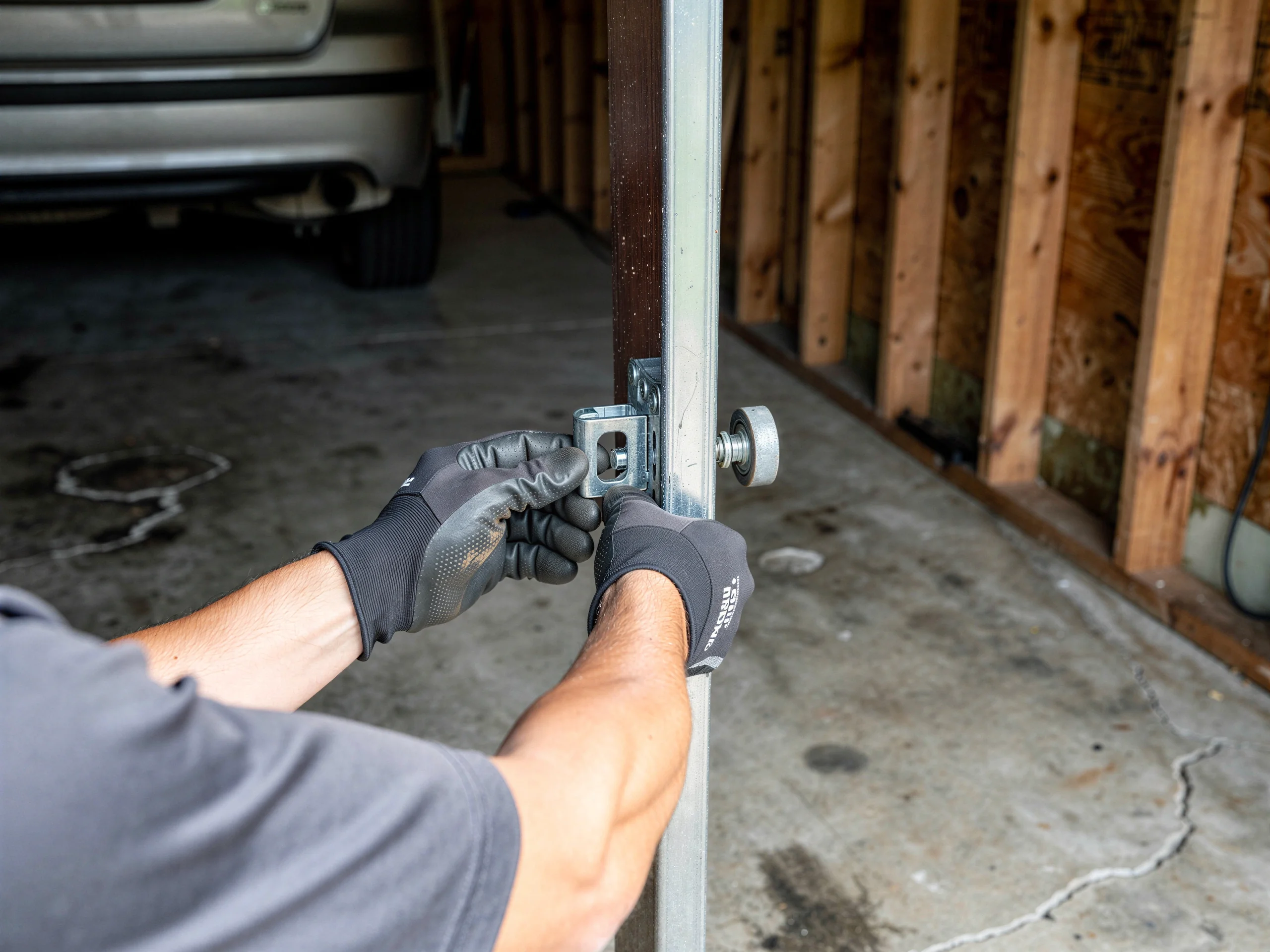
Off Track Repair
Clinton homes mostly went up in the mid-1980s, later than the rest of the service area. Learn more →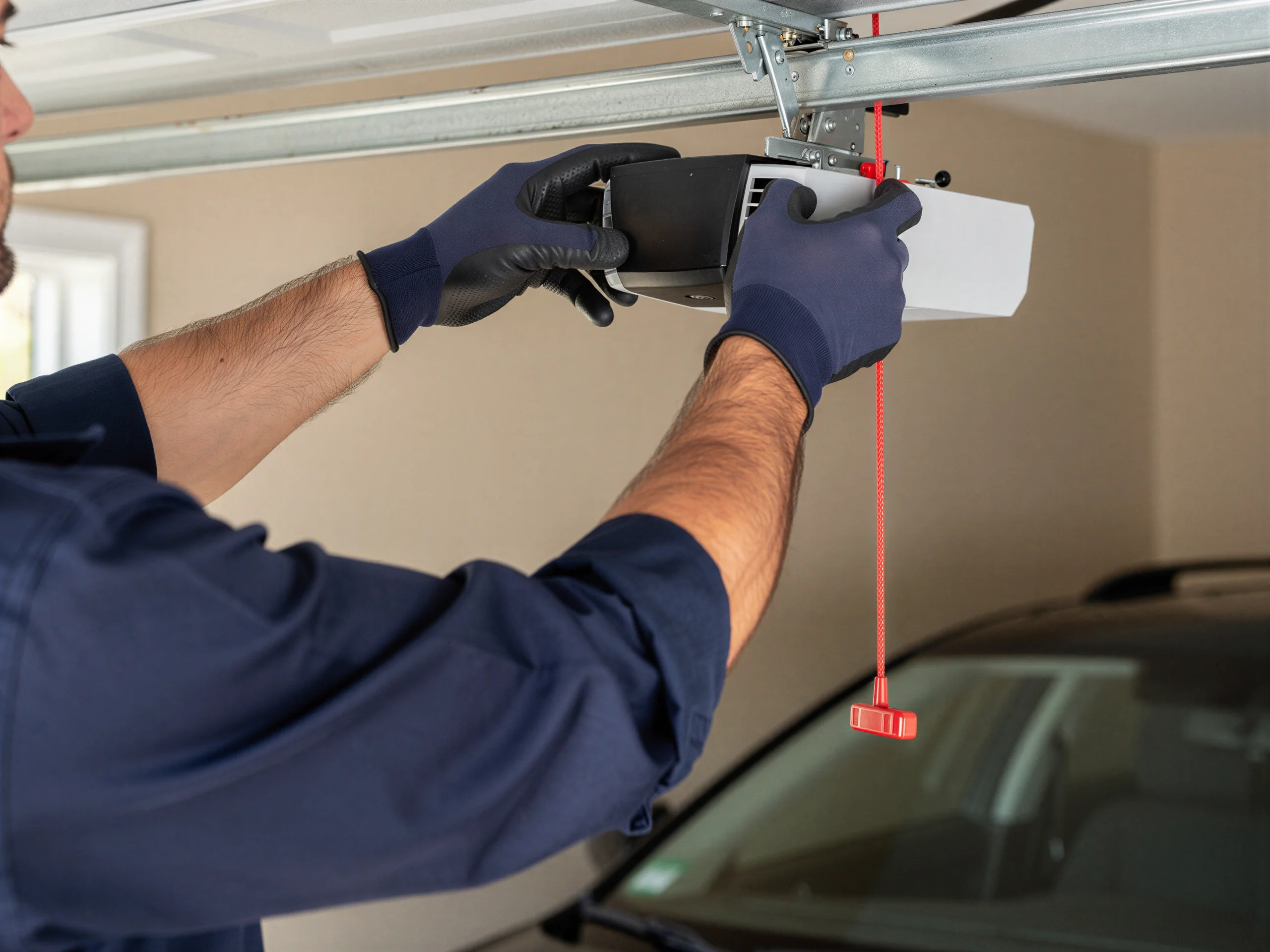
Opener Repair
Opener repair in Clinton, MD, 18 miles from our Silver Spring shop. Learn more →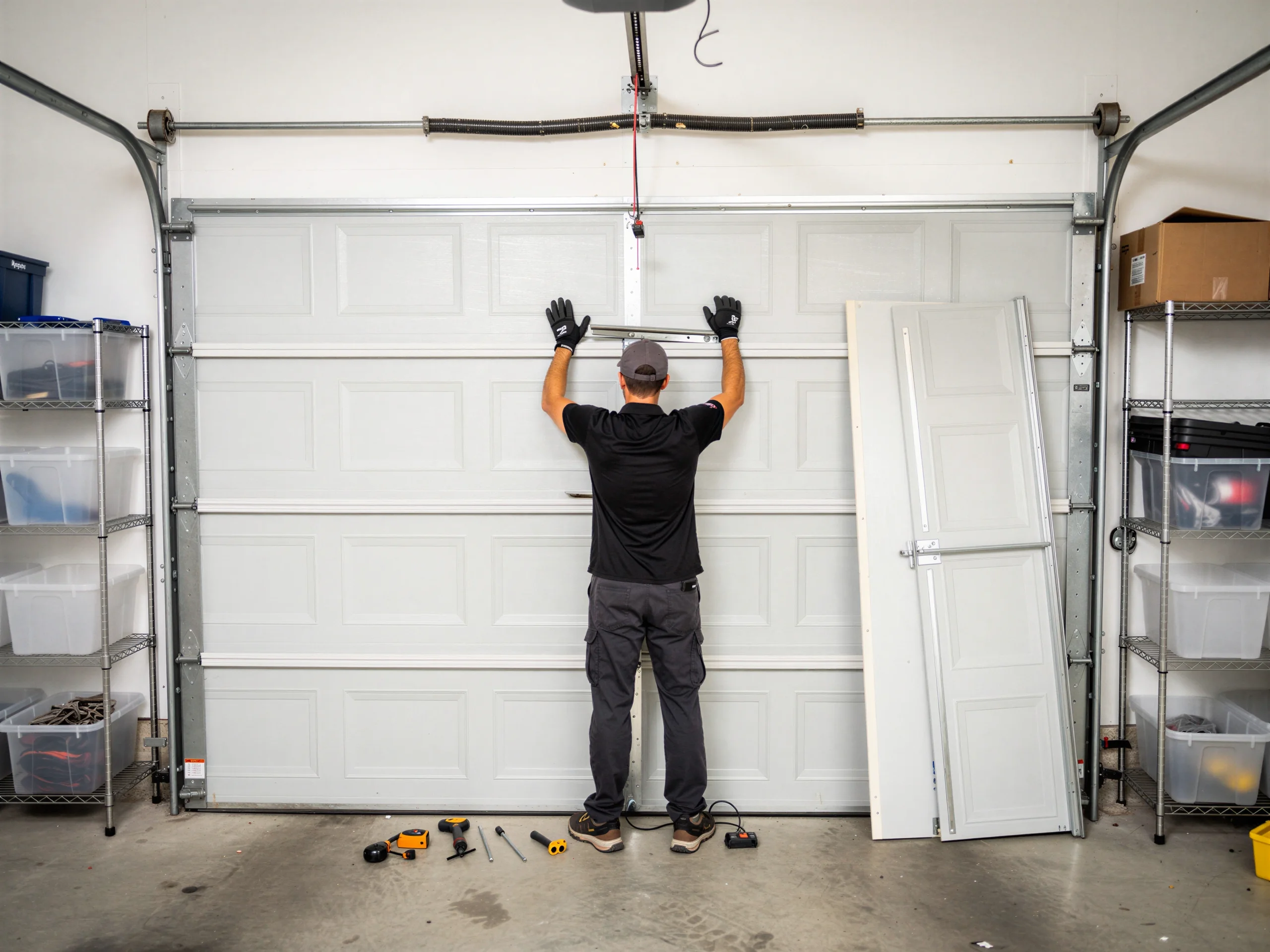
Panel Replacement
Panel replacement for Clinton, MD homes built around 1987, where steel sectional doors differ from the older stock near Silver Spring, a trip of 18 miles. Learn more →Ready when you are
Broken garage door spring in Clinton?
Silver Spring Garage Door Pros repairs and installs garage doors, springs and openers in Silver Spring, MD and the surrounding area.